
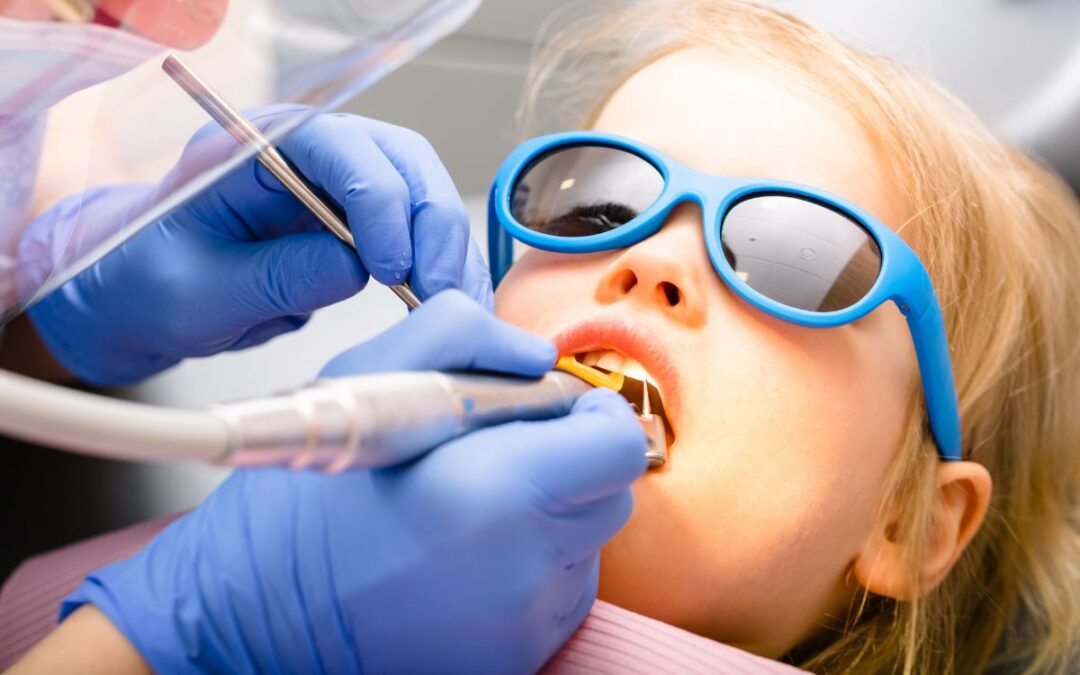
A pediatric dental checkup is more than a routine visit. It gives parents the chance to learn about their child’s oral health, prevent future problems, and build healthy habits that can last a lifetime. When families visit Center for Pediatric Dentistry in Augusta, they often leave with valuable information that helps them support their child’s smile at home. Asking the right questions during a pediatric dental checkup can make every appointment more productive and reassuring.
Why Questions Matter During a Pediatric Dental Checkup
Many parents focus on whether their child’s teeth are clean or cavity-free. While those things are important, a visit also provides an opportunity to discuss development, habits, nutrition, and preventive care.
Children’s mouths change quickly as they grow. Therefore, regular conversations with your dental team can help you stay informed about what is normal and what may require attention. By preparing questions before each appointment, you can make the most of every pediatric dental checkup.
Ask About Your Child’s Overall Oral Health
One of the first questions parents should ask is:
How is my child’s oral health right now?
This simple question opens the door to a detailed discussion about your child’s teeth, gums, bite, and oral hygiene habits. Understanding the current condition of your child’s mouth helps you identify areas that need improvement before they become bigger concerns.
At Center for Pediatric Dentistry, we understand that every child has unique dental needs. That is why our team takes the time to provide personalized guidance based on your child’s age, stage of development, and oral health goals. Led by Dr. Lee Baker, a trusted pediatric dentist and team, we focus on preventive care, education, and creating positive dental experiences that help children feel comfortable and confident during every visit.
Questions to consider:
- Are there any signs of cavities?
- Are the gums healthy?
- Is plaque buildup becoming a concern?
- Are there areas that need extra brushing attention?
Ask If Your Child’s Teeth Are Developing Properly
Children lose baby teeth and gain permanent teeth at different rates. As a result, parents should understand whether development is progressing as expected.
Important questions include:
- Are my child’s teeth erupting on schedule?
- Is there enough space for permanent teeth?
- Do you see any bite issues developing?
- Should we monitor any alignment concerns?
Early detection allows dental professionals to identify potential orthodontic issues before they become more complicated.
Why Early Monitoring Matters
When dentists track growth patterns over time, they can spot concerns that may affect chewing, speech, or appearance later. Early intervention often leads to simpler treatment options and better long-term outcomes.
Ask About Brushing and Flossing Habits
Many parents wonder whether their child is brushing effectively. A pediatric dental checkup is the perfect time to review daily oral hygiene routines.
Helpful questions include:
- Is my child brushing correctly?
- How long should they brush?
- Should I still supervise brushing?
- When should flossing become part of the routine?
Even children who brush twice a day can miss certain areas. Your dental team can demonstrate proper techniques and recommend adjustments based on your child’s age.
Signs That Home Care Needs Improvement
Watch for:
- Red or swollen gums
- Persistent bad breath
- Plaque along the gumline
- Frequent food buildup between teeth
Addressing these issues early can help prevent future complications.
Ask About Nutrition and Tooth Health
Diet plays a major role in oral health. During every pediatric dental checkup, ask how your child’s eating habits affect their teeth.
Questions worth asking:
- Which foods strengthen teeth?
- Are sugary snacks causing risks?
- How do sports drinks affect oral health?
- What are healthier alternatives?
Many parents are surprised to learn that frequent snacking can increase cavity risk, even when the snacks seem healthy.
Tooth-Friendly Foods
Consider including:
- Cheese
- Yogurt
- Fresh vegetables
- Apples
- Nuts when age-appropriate
- Water instead of sugary beverages
Good nutrition supports both overall health and strong teeth.
Ask About Preventive Treatments
Preventive care remains one of the biggest advantages of a regular pediatric dental checkup.
Questions to discuss:
- Does my child need fluoride treatment?
- Are dental sealants recommended?
- What preventive measures fit their age?
- How can we reduce cavity risk?
Preventive treatments often help protect teeth during the years when children are still developing strong oral hygiene habits.
Understanding Dental Sealants
Sealants cover the deep grooves on chewing surfaces where food and bacteria often collect. They provide an additional layer of protection against decay, especially for children who are prone to cavities.
Ask About Habits That Affect Oral Health
Children often develop habits that can impact dental development.
Common habits include:
- Thumb sucking
- Pacifier use
- Nail biting
- Teeth grinding
- Chewing on objects
During a pediatric dental checkup, ask whether any of these behaviors are affecting your child’s teeth or jaw development.
Questions Parents Should Ask
- Is thumb sucking causing changes to the bite?
- Do you notice signs of grinding?
- Should we address any oral habits now?
- Are there strategies to help break these habits?
Early guidance can prevent long-term complications.
Ask About Injury Prevention
Active children often participate in sports, playground activities, and other physical activities that carry a risk of dental injuries.
Important questions include:
- Does my child need a mouthguard?
- What should we do if a tooth gets chipped?
- How should we handle a dental emergency?
- Are there sports-specific recommendations?
Knowing the answers before an injury occurs can help parents respond quickly and appropriately.
Ask What to Expect Before the Next Visit
Every pediatric dental checkup should end with a clear understanding of what comes next.
Questions to ask:
- Are there any concerns we should monitor?
- What improvements should we focus on?
- When should we schedule the next appointment?
- Are future treatments anticipated?
These conversations help parents stay proactive rather than reactive when it comes to oral health.
Creating a Partnership With Your Child’s Dental Team
The best outcomes occur when parents and dental professionals work together. Open communication creates a strong partnership focused on your child’s long-term health.
A pediatric dental checkup provides much more than a cleaning or exam. It offers guidance, education, prevention, and reassurance. By asking thoughtful questions at each visit, you can better understand your child’s needs and make informed decisions about their care.
Every pediatric dental checkup is an opportunity to learn more about your child’s oral health, prevent future problems, and support healthy development. By asking about oral hygiene, tooth development, nutrition, preventive treatments, habits, and future care plans, parents can play an active role in protecting their child’s smile. If you’re looking for personalized pediatric dental care, Center for Pediatric Dentistry provides a welcoming environment designed specifically for children and families. To learn more or schedule your child’s next visit, and meet the team dedicated to helping young smiles thrive.