
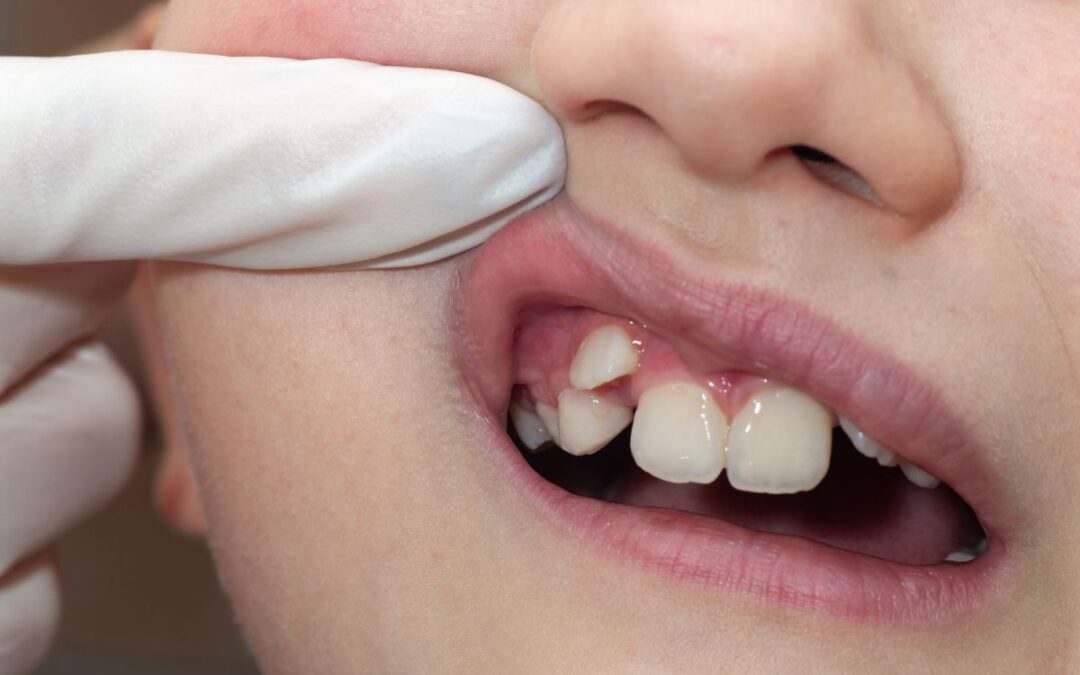
Orthodontic early signs in kids often appear quietly, but noticing them early can make a big difference in a child’s long-term oral health. In many families visiting Center for Pediatric Dentistry, parents often don’t realize small changes in their child’s teeth or jaw until they become more noticeable. However, early awareness helps prevent complicated treatments later and supports healthier development.
When parents understand what to look for, they can take timely action and guide their child toward a confident smile. Let’s explore the key warning signs and how you can recognize them before they turn into bigger concerns.
Why Early Dental Awareness Matters
Children grow quickly, and so do their teeth and jaw structure. During these growth years, orthodontic early signs in kids can show up in subtle ways such as spacing issues, bite problems, or crowding.
If parents ignore these early indicators, the condition may worsen over time. As a result, treatment may become longer and more complex. On the other hand, early detection allows for simpler correction methods and better outcomes.
At Center for Pediatric Dentistry in Augusta, families often learn that small observations at home can prevent major dental challenges later in life.
Common Orthodontic Early Signs in Kids
Recognizing the early symptoms helps parents take action quickly. Below are some of the most common signs you should watch for.
1. Crowded or Overlapping Teeth
One of the first orthodontic early signs in kids is crowding. When teeth do not have enough space, they start overlapping or twisting.
Watch for:
- Teeth that appear tightly packed
- Difficulty flossing between teeth
- Teeth growing at odd angles
Crowding can affect both appearance and oral hygiene, making it harder for children to clean their teeth properly.
2. Jaw Misalignment or Uneven Bite
Jaw alignment plays a major role in chewing and speaking. If the upper and lower jaws do not line up correctly, it may indicate developing issues.
Signs include:
- Jaw shifting to one side when chewing
- Uneven bite or discomfort while eating
- Clicking sounds in the jaw
An experienced pediatric dentist can evaluate whether the jaw is developing normally or if early intervention is needed.
Importantly, orthodontic early signs in kids like these should never be ignored because they often worsen with age if left untreated.
3. Thumb Sucking and Prolonged Pacifier Use
Habits such as thumb sucking may seem harmless, but they can influence tooth alignment over time.
Look for:
- Forward-tilting front teeth
- Open bite (gap between upper and lower teeth)
- Changes in palate shape
The longer the habit continues, the more it may affect dental development.
4. Difficulty Chewing or Biting
If a child struggles while eating certain foods, it may indicate alignment issues.
Common symptoms include:
- Avoid hard or chewy foods
- Chewing on one side only
- Frequent complaints of discomfort while eating
These signs often connect with orthodontic early signs in kids that require professional evaluation.
5. Speech Difficulties
Speech development can also reflect dental alignment. Misaligned teeth or jaw issues may cause lisps or unclear pronunciation.
Parents may notice:
- Trouble pronouncing certain sounds
- Slurred or unclear speech
- Frustration while speaking
Early dental assessment can help identify whether teeth alignment is affecting speech patterns.
6. Mouth Breathing Instead of Nose Breathing
Breathing habits influence facial and dental development. Mouth breathing can sometimes signal structural issues.
Watch for:
- Open mouth during sleep
- Dry lips in the morning
- Snoring in children
This can be linked to jaw growth problems and should be checked early.
How Early Evaluation Helps Prevent Bigger Problems
Early diagnosis of orthodontic early signs in kids allows dentists to guide jaw growth and tooth alignment more effectively. Instead of waiting for permanent teeth to fully develop, early care can:
- Reduces the need for complex treatments later
- Guide to proper jaw development
- Improve bite function
- Enhance facial symmetry
Moreover, children adapt more easily to early treatments, making the process smoother for both parents and kids.
What Parents Can Do at Home
Parents play an important role in identifying early signs. You don’t need special tools—just observation and consistency.
Try these simple steps:
- Check your child’s teeth alignment while brushing
- Observe chewing habits during meals
- Notice speech clarity during conversations
- Track habits like thumb sucking or mouth breathing
If something seems unusual, don’t wait for it to worsen. Early action always leads to better results.
When to Visit a Pediatric Dentist
Experts recommend scheduling an evaluation around age 7. At this stage, a pediatric dentist can identify orthodontic early signs in kids even before all permanent teeth come in.
At Center for Pediatric Dentistry, families often receive guidance on whether immediate treatment is needed or if monitoring is the best approach.
Early visits also help children feel comfortable in a dental setting, reducing fear and anxiety over time.
Early Action Builds Lifelong Smiles
Spotting orthodontic early signs in kids early gives parents a powerful advantage in protecting their child’s smile. From crowded teeth to jaw misalignment, these signs may seem small at first, but they can grow into bigger challenges if ignored.
With regular observation and timely dental visits, you can support healthy development and prevent long-term complications.
If you notice any of these signs, it’s the right time to take the next step. Schedule an appointment with Center for Pediatric Dentistry and take advantage of expert care early. To begin your child’s journey toward a healthier smile, simply visit our dental office and explore personalized evaluation and treatment options today.