
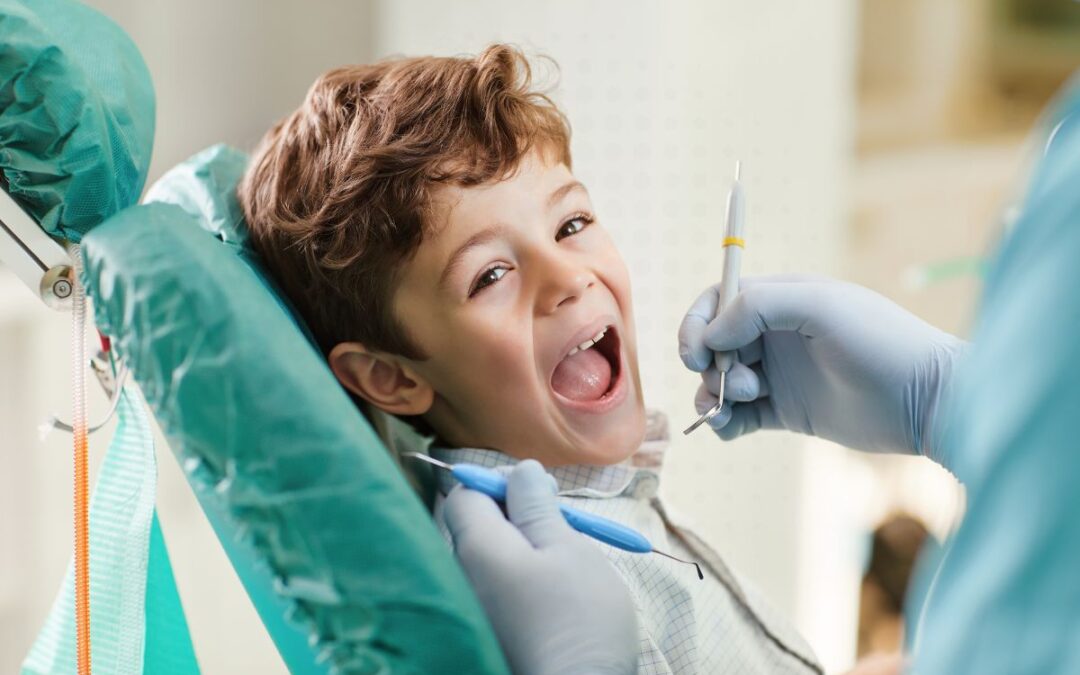
As a parent, you always want to protect your child’s health. However, oral problems often develop quietly, and many parents miss the early signs that your child may have a dental infection. If you spot these warning signs early, you can prevent pain, complications, and future dental issues. This guide explains what to look for, why these symptoms matter, and when to take action to keep your child’s smile healthy.
Understanding Dental Infections in Children
A dental infection begins when harmful bacteria enter the tooth or gums. This usually happens due to untreated cavities, cracked teeth, or gum injuries, which are common concerns addressed in pediatric dentistry. Over time, the bacteria spread and cause swelling, pain, and sometimes fever.
Children may not always explain their discomfort clearly. Therefore, parents must pay close attention to physical and behavioral changes. When you recognize the signs early and seek timely care through a pediatric dentist, treatment stays simpler and recovery becomes faster.
Common Causes of Dental Infections in Kids
Several everyday factors can increase a child’s risk. Understanding these causes helps you stay proactive.
- Poor brushing and flossing habits
- Frequent sugary snacks or drinks
- Untreated cavities or tooth decay
- Injuries from sports or falls
- Delayed dental checkups
Although these issues may seem minor at first, they can quickly turn serious without proper care.
Physical Signs You Should Never Ignore
Physical symptoms often appear first. Parents should watch for any visible or noticeable changes.
Tooth Pain or Sensitivity
If your child complains of pain while eating or drinking, this could signal trouble. Sensitivity to hot or cold foods often points to an underlying issue.
Swelling in the Face or Gums
Swollen cheeks, lips, or gums indicate inflammation. In many cases, swelling spreads quickly and causes discomfort.
Red or Bleeding Gums
Healthy gums look pink and firm. Redness or bleeding while brushing often suggests infection or advanced decay.
Bad Breath That Does Not Go Away
Occasional bad breath is normal. However, a constant foul odor may result from bacteria buildup inside the mouth.
These physical changes often represent early signs that your child may have a dental infection, so quick attention matters.
Behavioral Changes That Can Signal a Problem
Children often express pain through behavior rather than words. Therefore, sudden changes deserve attention.
- Refusing favorite foods
- Trouble sleeping or frequent waking
- Increased irritability or crying
- Avoiding brushing on one side of the mouth
When these behaviors appear together, they often connect to oral discomfort.
Fever and General Health Symptoms
Sometimes, the infection spreads beyond the mouth. In such cases, general health symptoms appear.
- Mild to moderate fever
- Fatigue or low energy
- Swollen lymph nodes near the neck
These symptoms suggest the body is fighting an infection and needs professional care.
Why Early Detection Matters
Ignoring oral issues can lead to serious consequences. Untreated problems may affect permanent teeth, jaw development, and overall health. Early diagnosis reduces pain, limits treatment time, and protects your child’s smile.
After recognizing the first warning signs, parents should schedule a professional evaluation without delay.
How Pediatric Dentistry Helps Prevent Complications
Specialized pediatric dentistry focuses on the unique needs of growing children. At the Center for Pediatric Dentistry, families receive child-friendly care designed to detect problems early and treat them gently. Many local parents trust this approach because it combines education, prevention, and compassionate treatment under one roof.
Regular visits allow dentists to monitor growth, catch hidden issues, and guide parents on proper home care.
When to Call the Dentist Immediately
Some situations require urgent care. Contact a dental professional right away if you notice:
- Severe or persistent pain
- Rapid facial swelling
- Fever combined with mouth pain
- Pus around the tooth or gum
These symptoms often confirm signs your child may have a dental infection that needs prompt treatment.
Simple Ways Parents Can Reduce Risk at Home
Prevention always works better than treatment. Parents can lower the risks by building healthy habits.
- Encourage brushing twice daily with fluoride toothpaste
- Supervise flossing, for younger children
- Limit sugary snacks and drinks
- Schedule routine dental checkups
- Use mouthguards during sports
These steps support oral health and reduce infection risks.
Talking to Your Child About Dental Pain
Children sometimes hide discomfort out of fear. Create a safe space for open communication.
- Ask simple, clear questions
- Listen without judgment
- Explain dental visits in a positive way
When children feel comfortable, they share symptoms earlier, which leads to faster care.
Protect Your Child’s Smile Early
Recognizing the signs that your child may have a dental infection empowers you to act before small problems grow serious. By watching for physical symptoms, behavioral changes, and general health signs, you protect your child’s comfort and long-term oral health. Regular care and early action can make a lasting difference.
If you notice any warning signs, do not wait. Schedule an appointment at Augusta’s only pediatric dental office, the Center for Pediatric Dentistry to receive trusted, child-focused care and ensure your child gets the right treatment at the right time.