
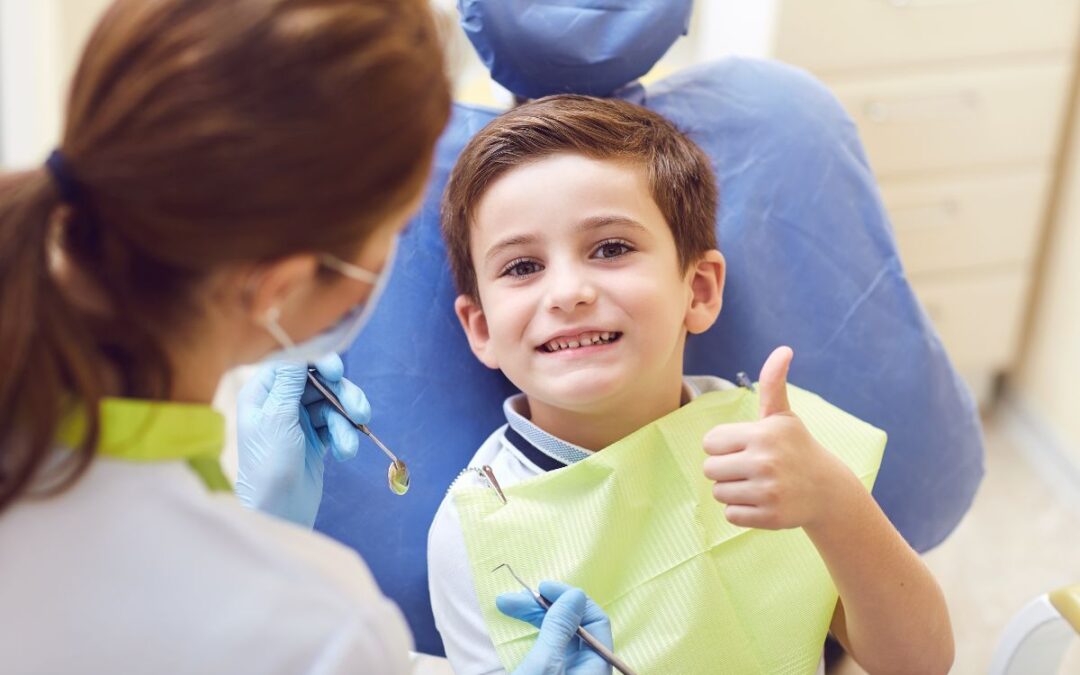
A child’s smile is a treasure, and protecting it from cavities is crucial for their overall health. As parents, we play a vital role in establishing healthy dental habits that will last a lifetime. This blog post provides essential children’s dental care tips to help you keep those pearly whites shining bright. When complex issues arise, seeking out a qualified pediatric dentist is crucial for expert care.
Understanding the Enemy: What Causes Cavities?
Before diving into prevention, let’s understand the root cause. Cavities, or dental caries, occur when bacteria in the mouth feed on sugars and starches left on the teeth. This process produces acids that erode tooth enamel, creating tiny holes.
- Sugar’s Role: Sugary drinks, candy, and even starchy snacks like crackers contribute to this acid production.
- Bacteria’s Playground: Plaque, a sticky film of bacteria, clings to teeth and provides a breeding ground for these cavity-causing culprits.
- Enamel Erosion: Over time, the acid weakens the enamel, leading to cavities.
Early Intervention: Starting Dental Care from Day One
Preventing cavities starts before teeth even erupt, and understanding the nuances of pediatric dentistry can be helpful.
- Infant Oral Hygiene: Even before teeth appear, gently wipe your baby’s gums with a clean, damp cloth after feedings. This removes milk residue and bacteria.
- First Dental Visit: The American Academy of Pediatric Dentistry recommends scheduling your child’s first dental visit by their first birthday or within six months of the first tooth eruption. Early visits allow for preventive care and early detection of potential issues.
Building a Solid Routine: Daily Habits for Healthy Teeth
A consistent oral hygiene routine is the cornerstone of cavity prevention.
Brushing Basics
- Use a soft-bristled toothbrush and a pea-sized amount of fluoride toothpaste for children ages 3-6 years. For children under 3, a smear of fluoride toothpaste is sufficient.
- Brush twice daily, once in the morning and once before bed.
- Supervise brushing until your child can effectively brush on their own, usually around age 7 or 8.
- Encourage brushing for two minutes, ensuring all tooth surfaces are cleaned.
Flossing Fundamentals
- Begin flossing as soon as two teeth touch.
- Flossing removes plaque and food particles from between teeth, areas a toothbrush can’t reach.
- Make flossing a daily habit, preferably at night.
Fluoride’s Friend
- Fluoride strengthens tooth enamel and makes it more resistant to acid attacks.
- Ensure your child uses fluoride toothpaste and discuss fluoride treatments with your dentist.
- If your drinking water is not fluoridated, ask your dentist about fluoride supplements.
Dietary Decisions: Fueling Healthy Teeth
What your child eats significantly impacts their oral health.
Limit Sugary Drinks and Snacks
- Reduce or eliminate sugary drinks like soda, juice, and sports drinks.
- Limit sugary snacks and opt for healthier alternatives like fruits, vegetables, and cheese.
Healthy Food Choices
- Encourage a balanced diet rich in fruits, vegetables, whole grains, and lean proteins.
- Dairy products like milk and yogurt are excellent sources of calcium, which strengthens teeth.
Snacking Smart
- Frequent snacking exposes teeth to acids throughout the day.
- Encourage scheduled meals and limit snacking between meals.
- If snacking occurs, choose healthy options.
Professional Care: The Dentist’s Role in Prevention
Regular dental checkups are essential for maintaining optimal oral health. Effective pediatric dental care involves regular checkups and cleanings. If you are looking for a place to start or continue your child’s oral health journey, visit our dental office today.
Regular Checkups and Cleanings:
- Schedule dental checkups every six months.
- Professional cleanings remove plaque and tartar buildup, preventing cavities and gum disease.
- Dentists can identify early signs of cavities and provide preventive treatments like sealants.
Dental Sealants:
- Sealants are thin, protective coatings applied to the chewing surfaces of back teeth.
- They create a barrier against bacteria and food particles, significantly reducing the risk of cavities in these vulnerable areas.
Fluoride Treatments:
- Your dentist may recommend professional fluoride treatments to strengthen enamel, especially for children at high risk of cavities.
Making it Fun: Encouraging Good Habits
Making oral hygiene fun can help children develop positive associations with dental care.
Brushing Games and Songs
- Use a timer or play a two-minute song to make brushing more engaging.
- Find fun brushing apps or games that encourage good brushing habits.
Positive Reinforcement
- Praise your child for their efforts in maintaining good oral hygiene.
- Use a reward chart or sticker system to motivate them.
Lead by Example
- Children learn by observing their parents.
- Practice good oral hygiene habits yourself and involve your children in the process.
By implementing these tips, you can help your child achieve a lifetime of healthy, cavity-free smiles. Remember, consistency and early intervention are key to protecting your child’s dental health.