
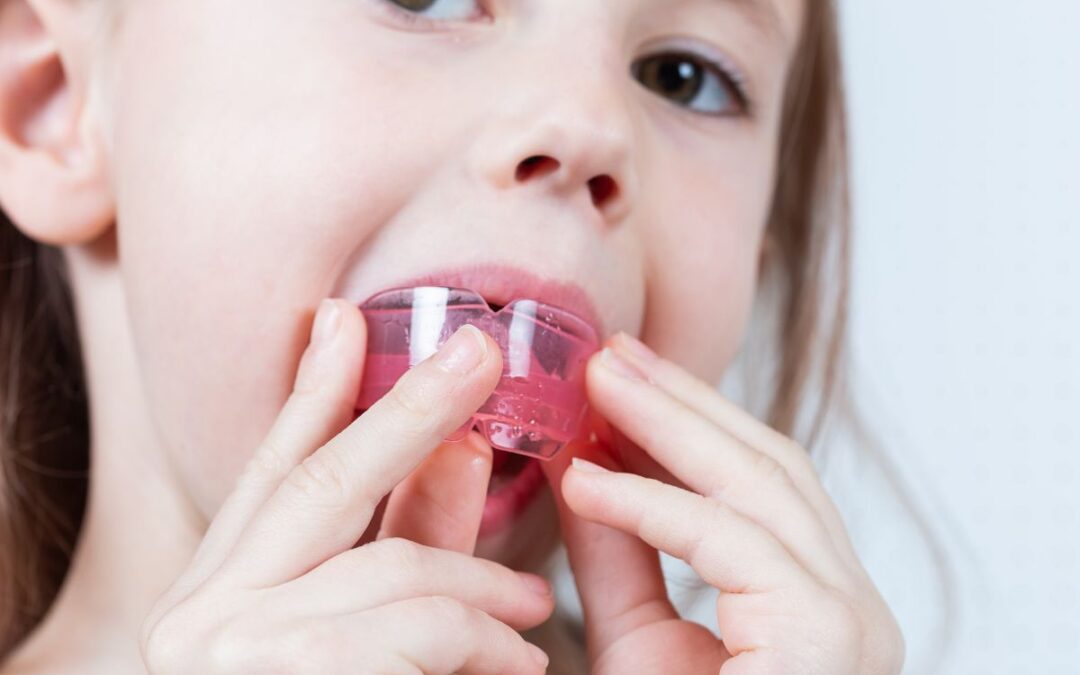
Many parents focus on helmets, pads, and shoes, but sports and kids’ teeth deserve just as much attention. Within the first moments of play, a sudden fall, elbow, or collision can damage a child’s teeth and mouth. Because children should stay active year-round, protecting their smiles should always be part of the game plan.
At Center for Pediatric Dentistry, we often see families who never expected a dental injury from everyday activities. However, simple preventive steps, like using a mouthguard, can make a lasting difference.
Why Dental Injuries Are Common in Active Children
Physical activity helps children stay healthy and confident. However, movement, speed, and contact also increase the risk of oral injuries. Even non-contact activities can lead to accidents.
Dental injuries often happen during:
- Team activities with close contact
- Recess and after-school play
- Practice sessions without protective gear
- Falls while running or jumping
Since children react quickly and unpredictably, accidents can occur even during routine play.
Common Sports-Related Dental Injuries in Children
Dental injuries range from minor to severe. Some require immediate treatment, while others can cause long-term issues if ignored.
The most common injuries include:
- Chipped or cracked teeth
- Knocked-out teeth
- Lip and cheek cuts
- Jaw injuries
- Tooth root damage
After evaluating young athletes in Augusta, pediatric dentist at Center for Pediatric Dentistry often explain how sports and kids’ teeth face risks even during casual play, not just competitive events.
Why Mouthguards Are Essential for Dental Protection
Mouthguards act as a cushion between teeth and soft tissues. They absorb shock and reduce the force of impact during a collision or fall.
A properly fitted mouthguard helps:
- Protect teeth from fractures
- Reduce the risk of tooth loss
- Prevent lip and tongue injuries
- Support jaw stability
Although many parents think mouthguards are optional, they play a vital role in preventing dental emergencies.
Custom Mouthguards vs. Store-Bought Options
Parents often ask whether store-bought mouthguards work well enough. While these options offer basic protection, they may not provide the best fit or comfort.
Store-Bought Mouthguards
- Easy to find
- Lower cost
- One-size-fits-all or boil-and-bite fit
- Less durable
Custom-Fitted Mouthguards
- Designed for a child’s mouth
- Comfortable and secure fit
- Better shock absorption
- Encourages regular use
Children who wear custom mouthguards often feel more confident and less distracted during activity.
When Should Children Start Wearing Mouthguards?
Children should begin wearing mouthguards as soon as they participate in activities that involve movement, equipment, or potential contact. Waiting until injuries occur increases risk.
Mouthguards are recommended for:
- Organized team activities
- Recreational play equipment
- Activities involving speed or jumping
- Any situation with collision risk
Early habits make protection feel natural rather than optional.
Sports That Carry a Higher Dental Injury Risk
Some activities increase the likelihood of dental trauma more than others. Awareness helps parents prepare properly.
Higher-risk activities include:
- Football
- Basketball
- Soccer
- Baseball
- Hockey
- Martial arts
Even activities considered low-contact can cause injury if children collide or fall.
Tips for Parents of Active Children
Parents play an important role in preventing dental injuries. Small steps taken early can reduce long-term damage.
Helpful tips include:
- Encourage mouthguard use at every practice
- Replace damaged mouthguards promptly
- Clean mouthguards after each use
- Store them in ventilated cases
- Schedule regular dental checkups
Consistency helps children view protection as part of play, not a burden.
What to Do if a Dental Injury Happens
Despite prevention, accidents may still occur. Knowing what to do can reduce damage.
If a tooth injury happens:
- Stay calm and assess the mouth
- Rinse gently with water
- Avoid touching the tooth root
- Seek dental care quickly
Prompt care improves outcomes and helps preserve natural teeth.
Long-Term Benefits of Preventive Dental Care for Athletes
Preventive care supports more than safety. It also reduces stress, cost, and recovery time.
Children who protect their teeth often:
- Avoiding dental emergencies
- Maintain confidence during play
- Experience fewer disruptions to daily life
- Keeping healthy smiles into adulthood
Prevention always works better than treatment.
Protecting Smiles Is Part of the Game
In active lifestyles, sports and kids’ Teeth face risks that parents often overlook. Mouthguards offer simple yet powerful protection that prevents injuries before they happen. When children wear the right protection, they play with confidence and parents enjoy peace of mind.
If your child participates in physical activities, now is the right time to focus on prevention. We invite families to schedule an appointment at Center for Pediatric Dentistry and visit our dental office in Augusta to learn how mouthguards and preventive care can protect your child’s growing smile.