
Brushing your teeth is crucial for maintaining a healthy smile, but what happens if your child develops a cavity? Can brushing fix it? As a pediatric dentist, I frequently encounter this question from parents eager to safeguard their children’s dental health. In this blog post, we’ll explore whether brushing can truly eliminate cavities, what occurs when a cavity forms, and how you can help your child prevent cavities in the first place.
What Is a Cavity?
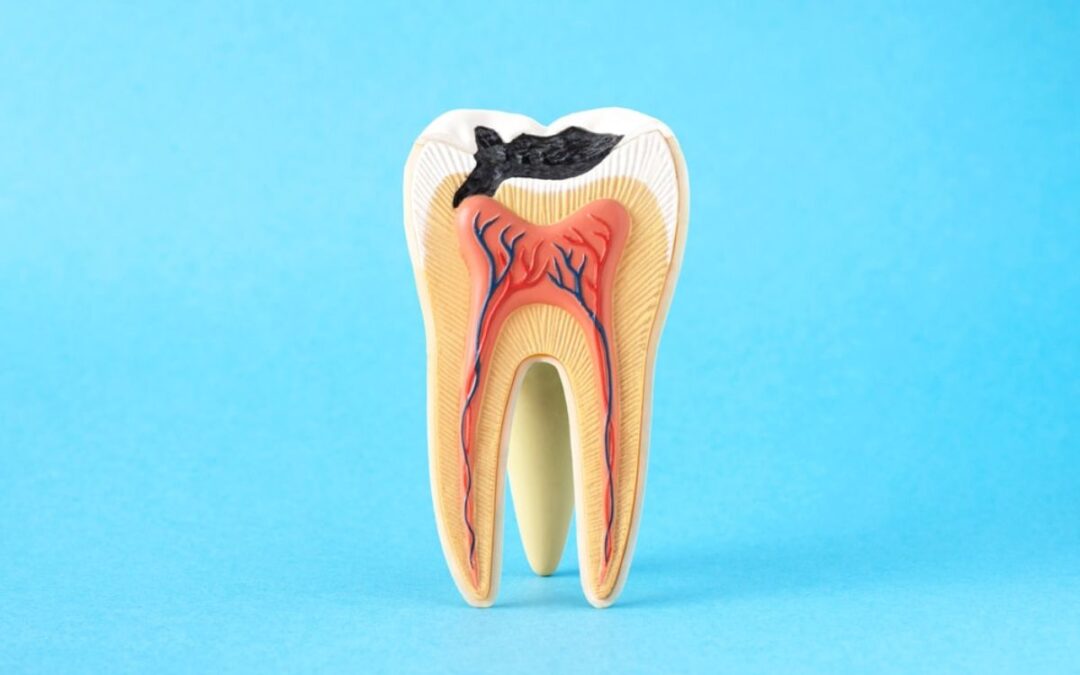
Before discussing whether brushing can repair a cavity, it’s essential to understand what a cavity is. A cavity is a hole that develops in a tooth due to acid damage. These acids are produced by bacteria within plaque on your teeth. When your child neglects regular brushing and flossing, plaque accumulates, and the bacteria consume sugars from food and drinks, generating acids. Over time, this process can weaken the tooth’s outer layer (the enamel), eventually leading to a cavity.
Cavities are more prone to developing in the back teeth, which are harder to reach with a toothbrush. Depending on the extent of the damage, cavities can range from small areas of enamel damage to larger holes affecting the deeper parts of the tooth.
Can Brushing Fix a Cavity?
So, can brushing eliminate cavities? Unfortunately, no, brushing alone cannot fix a cavity. Once a cavity has formed, it’s too late to repair it with a toothbrush.
However, if detected early, brushing with fluoride toothpaste can help halt the cavity’s progression. For instance, if the tooth is beginning to lose minerals (a process called demineralization), brushing with fluoride can aid in replenishing the lost minerals and may even prevent a cavity from forming. But if a cavity is already present, your child will need to see a pediatric dentist for treatment.
What Happens If a Cavity Isn’t Treated?
If a cavity remains untreated, it can worsen. The decay can spread deeper into the tooth and affect the soft tissue inside (called the pulp). This can result in pain, swelling, and even an infection.
If the cavity is neglected for too long, the tooth may require extraction. For children, this can be particularly concerning, as baby teeth are essential for reserving space for permanent teeth. Premature tooth loss can disrupt the proper eruption of adult teeth.
The Importance of Regular Check-Ups
One of the best things you can do for your child’s teeth is to schedule regular check-ups with a pediatric dentist. A dentist can identify problems early, such as tiny cavities, before they escalate. Early detection of a problem makes it easier to treat.
A pediatric dentist may recommend treatments like fluoride applications or dental sealants to help protect your child’s teeth and prevent cavities. Fluoride is particularly beneficial because it strengthens tooth enamel, making it more resistant to acid attacks.
Signs That Your Child Might Have a Cavity
Although brushing can’t remove a cavity, several signs may indicate that your child has one. These include:
- Tooth pain or sensitivity, especially when consuming hot, cold, or sweet foods and drinks.
- Dark spots or holes in the tooth.
- Gums around the tooth that bleed or appear swollen.
- Persistent bad breath, even with regular brushing.
- Changes in the tooth’s appearance or feel.
If you observe any of these signs, it’s crucial to schedule an appointment with a pediatric dentist as soon as possible. The earlier you intervene, the better your chances of preventing the problem from worsening.
How to Prevent Cavities in Children
While brushing can’t fix a cavity, there are numerous steps you can take to prevent cavities from developing in the first place. Here are some simple ways to help protect your child’s teeth:
- Brush Twice a Day with Fluoride Toothpaste: Brushing with fluoride toothpaste helps protect your child’s teeth by strengthening the enamel and making it more resistant to cavities. Ensure your child brushes their teeth at least twice a day, especially before bedtime when plaque accumulation is more likely.
- Floss Every Day: Flossing is as important as brushing for preventing cavities. Plaque can accumulate between teeth where a toothbrush cannot reach. Flossing helps clean these hard-to-reach areas and prevents cavities from forming.
- Limit Sugary Foods and Drinks: Sugary foods and drinks are a major contributor to cavities. Sugar provides nourishment for the bacteria in plaque, which produce acids that damage enamel. Try to limit sugary snacks and drinks, and encourage your child to drink water or milk instead of soda or juice.
- Regular Dental Visits: Consistent visits to the dental office for a pediatric dentist are essential for maintaining your child’s dental health. The dentist can detect cavities early, apply fluoride treatments, and even place sealants on teeth to protect them from decay.
- Use Dental Sealants: Dental sealants are a protective coating applied to the grooves of the back teeth. This coating prevents food and plaque from becoming trapped in these deep grooves, reducing the risk of cavities.
- Fluoride Treatments: Occasionally, a pediatric dentist will recommend fluoride treatments to strengthen your child’s teeth. These treatments provide a higher concentration of fluoride than toothpaste and can help prevent cavities.
What to Expect at the Dentist if Your Child Has a Cavity
If your child develops a cavity, the dentist will determine the most appropriate treatment. For small cavities, the dentist might use fluoride to help remineralize the tooth surface. However, for larger cavities, your child may need a filling. In more severe cases, your child may require a crown or other restorative procedure.
Conclusion
While brushing your child’s teeth daily is essential for cavity prevention, it cannot repair a cavity once it has formed. The best approach to preventing cavities is to maintain good oral hygiene, limit sugary foods, and visit the pediatric dentist regularly. If your child does develop a cavity, don’t delay—schedule an appointment with a dentist.
By being proactive about your child’s pediatric dental care and scheduling regular dental visits, you can help your child maintain a healthy, radiant smile for years to come!