
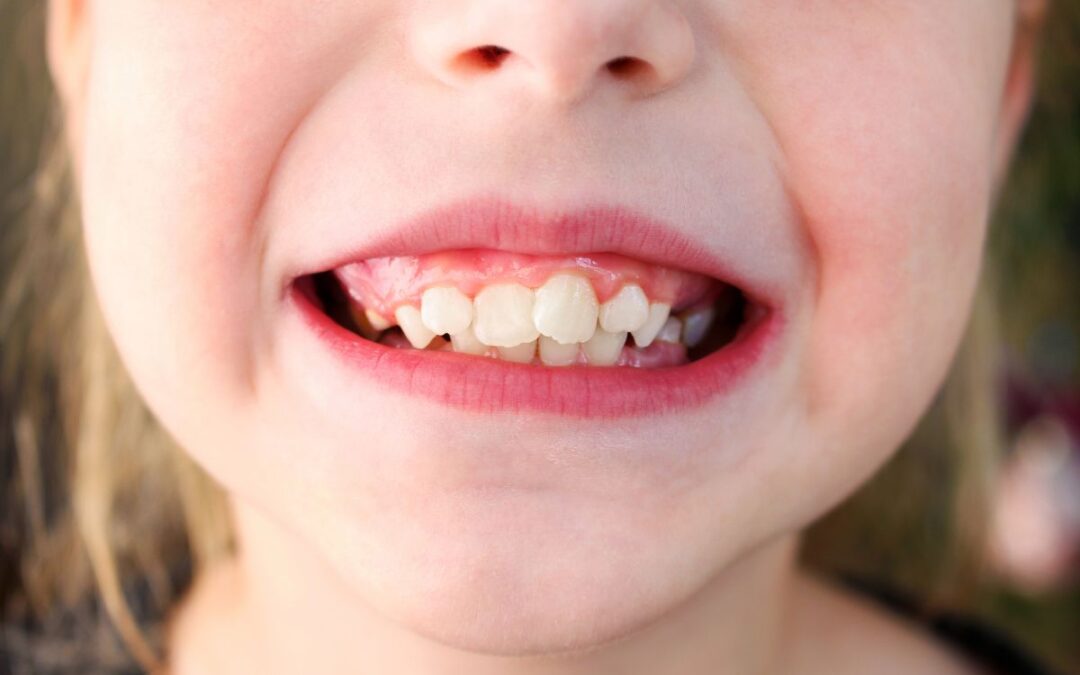
Losing baby teeth is a milestone for both children and parents. However, sometimes, those little pearly whites seem to hold on for dear life, causing concern. If your child’s baby teeth are stubbornly refusing to budge, you’re not alone. Here’s a breakdown of why this happens and what you can do.
Understanding the Natural Process
The loss of baby teeth is a natural part of childhood development. Typically, children start losing their first baby teeth around age six, with the process continuing until around age twelve. This allows permanent teeth to erupt and take their place. The permanent teeth grow beneath the baby teeth, gradually dissolving the roots of the baby teeth. This loosening and eventual falling out of the baby tooth is a normal, healthy process.
Why Baby Teeth Might Not Budge
Several reasons can contribute to baby teeth staying put longer than expected:
- Delayed Eruption of Permanent Teeth: Sometimes, permanent teeth take their time to develop and erupt. This delay means the baby teeth don’t receive the signal to loosen as quickly.
- Crowding: If there’s limited space in the jaw, the permanent teeth might struggle to push the baby teeth out. This can lead to the baby’s teeth staying firmly in place.
- Ankylosis: In rare cases, a baby tooth can fuse with the jawbone, a condition called ankylosis. This prevents the tooth from loosening naturally.
- Genetics: Like many aspects of development, the timing of tooth loss can be influenced by genetics. If you or your partner experienced delayed tooth loss, your child might too.
- Nutritional Deficiencies: Though less common, severe nutritional deficiencies can potentially affect tooth development and eruption.
When to Seek Professional Help
While a slight delay in baby tooth loss is often nothing to worry about, certain situations warrant a visit to the dentist:
- Significant Delay: If your child is significantly older than the average age for tooth loss and hasn’t lost any teeth, it’s best to consult a dentist. When dealing with young children, it is best to seek out a professional in pediatric dentistry.
- Pain or Discomfort: If the retained baby tooth is causing pain, discomfort or affecting your child’s bite, professional intervention is necessary.
- Signs of Infection: Redness, swelling, or pus around the retained tooth could indicate an infection and require immediate dental attention.
- Permanent Teeth Erupting Behind Baby Teeth: Sometimes, the permanent teeth start to erupt behind the baby teeth, creating a “shark tooth” appearance. This can cause alignment issues and needs to be addressed.
- No Loosening at All: If the baby tooth is completely firm and shows no signs of loosening, despite the permanent tooth attempting to erupt, a pediatric dentist needs to evaluate the situation.
What You Can Do at Home
While waiting for the dentist appointment, there are some gentle steps you can take at home:
- Encourage Gentle Wiggling: Encourage your child to gently wiggle the loose tooth with their tongue or clean fingers. Avoid forceful pulling, which can cause pain and damage.
- Maintain Good Oral Hygiene: Ensure your child continues to brush and floss regularly to keep the area clean and prevent infection.
- Offer Crunchy Foods: Chewing on crunchy fruits and vegetables like apples and carrots can help loosen the tooth naturally.
- Warm Saltwater Rinse: A warm saltwater rinse can soothe any discomfort and help keep the area clean. Mix half a teaspoon of salt in a cup of warm water and have your child rinse gently.
The Dentist’s Role
A dentist can assess the situation and determine the best course of action. They might:
- Take X-rays: X-rays can reveal the position of the permanent teeth and identify any underlying issues.
- Extract the Baby Tooth: If necessary, the dentist can gently extract the baby tooth to allow the permanent tooth to erupt properly.
- Recommend Orthodontic Treatment: If crowding or alignment issues are present, the dentist might recommend orthodontic treatment.
If you are concerned about your child’s baby teeth, visit our dental office so we can provide a thorough examination.
Remember, every child develops at their own pace. While delayed tooth loss can be concerning, it’s often a temporary situation. Please book an appointment today so we can help your child maintain a healthy smile. By staying informed, you can ensure your child’s dental health remains on track.