
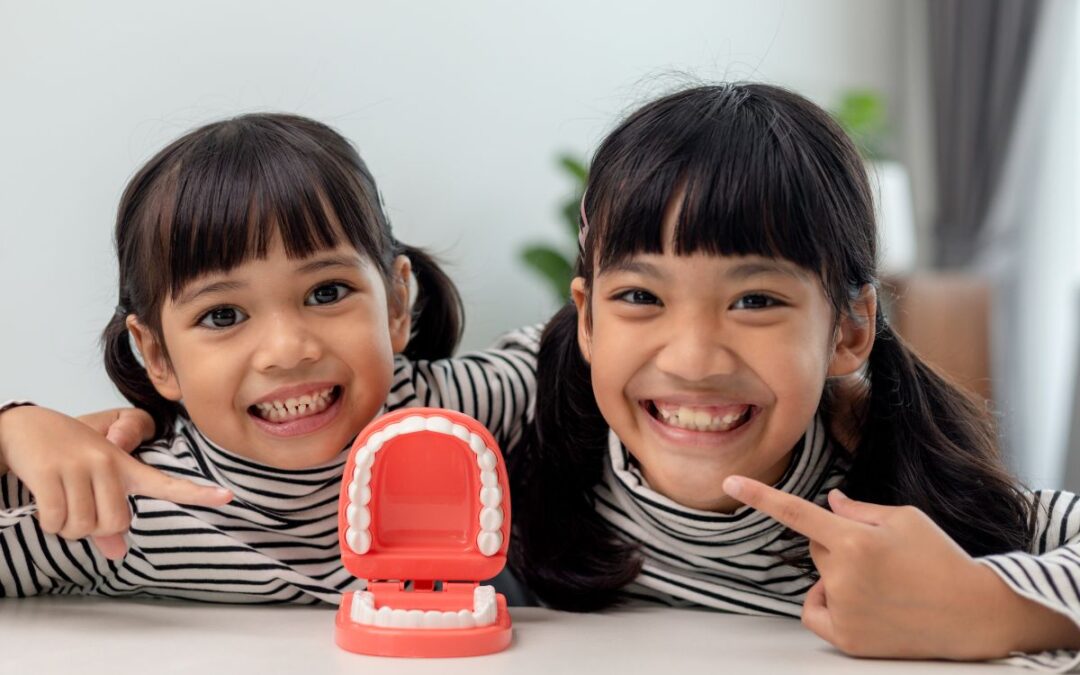
Kids are active, curious, and sometimes, a little accident-prone. From playground tumbles to sports mishaps, their teeth can take a hit. While we often think of dental bonding for adults, it’s a valuable and often necessary procedure for children too. Let’s explore why dental bonding plays a crucial role in maintaining your child’s oral health and confidence.
The Fragile Nature of Young Teeth
Children’s teeth, especially their permanent teeth as they erupt, are still developing. This makes them more susceptible to damage from trauma, decay, and developmental issues. Unlike adults, children might not fully understand the importance of careful oral hygiene, increasing the risk of cavities and other dental problems.
What Exactly is Dental Bonding?
Dental bonding is a simple and minimally invasive cosmetic and restorative dental procedure. It involves applying a tooth-colored resin material to the tooth’s surface, which is then hardened with a special light. This resin bonds to the tooth, effectively repairing chips, cracks, gaps, and discoloration. It’s a versatile solution that can address a variety of dental concerns in children.
Addressing Common Dental Injuries in Children
- Chipped or Fractured Teeth: Kids are prone to accidents, and a chipped or fractured tooth is a common result. Dental bonding can quickly and effectively restore the tooth’s shape and function, preventing further damage and discomfort.
- Gaps Between Teeth (Diastema): Large gaps between teeth can affect a child’s confidence and sometimes their speech. Dental bonding can close these gaps, creating a more aesthetically pleasing smile.
- Discolored Teeth: Staining or discoloration from trauma or certain medications can be distressing for a child. Bonding can cover these imperfections, restoring a bright and uniform appearance.
- Decayed Teeth: While fillings are the standard treatment for cavities, bonding can be used in some cases, especially for smaller cavities or to improve the appearance of filled teeth.
The Benefits of Early Intervention
- Restoring Functionality: Damaged teeth can affect a child’s ability to chew and speak properly. Bonding restores the tooth’s functionality, allowing them to eat and speak comfortably.
- Boosting Self-Esteem: A damaged or discolored smile can negatively impact a child’s self-esteem. Bonding can significantly improve their smile’s appearance, boosting their confidence and social interactions.
- Preventing Further Damage: Addressing dental injuries promptly can prevent further complications, such as infection, or more extensive dental work in the future.
- Minimally Invasive Procedure: Dental bonding is a relatively quick and painless procedure that requires minimal tooth preparation. This makes it a suitable option for children who may be anxious about dental treatment.
- Cost-Effective Solution: Compared to other restorative dental procedures, bonding is often a more affordable option, making it accessible for many families.
When is Dental Bonding Recommended for Children?
A dentist will assess your child’s specific needs and determine if dental bonding is the appropriate treatment. Generally, it’s recommended in the following situations:
- When a child has a chipped or fractured tooth that needs immediate repair.
- When there are noticeable gaps between teeth that affect aesthetics or function.
- When there is significant discoloration or staining that cannot be addressed with other treatments.
- When a small cavity needs to be restored, especially in visible areas.
- When there are developmental anomalies in the teeth that affect appearance.
For specialized care tailored to your child’s needs, consider seeking out a dedicated pediatric dentist.
What to Expect During the Bonding Procedure
The dental bonding procedure is typically quick and straightforward. Here’s a general overview:
- Preparation: The dentist will prepare the tooth by lightly etching the surface to create a rough texture, which helps the bonding material adhere better.
- Application: The tooth-colored resin material is applied to the tooth and molded into the desired shape.
- Hardening: A special ultraviolet light is used to harden the resin material, bonding it to the tooth.
- Polishing: The dentist will polish the bonded tooth to create a smooth and natural finish.
Maintaining Your Child’s Bonded Teeth
While dental bonding is durable, it’s essential to take proper care of your child’s bonded teeth to ensure their longevity. This includes:
- Practicing good oral hygiene habits, such as brushing twice daily and flossing regularly.
- Avoiding hard or sticky foods that could damage the bonding material.
- Regular dental checkups and cleanings to monitor the bonded teeth and address any potential issues.
- Avoid chewing on items such as pencils or fingernails.
Understanding the unique needs of young patients is a crucial aspect of pediatric dentistry.
Dental bonding is a valuable tool in pediatric dentistry, offering a quick, effective, and minimally invasive solution for various dental concerns. By addressing dental issues early, you can help your child maintain a healthy, functional, and confident smile for years to come. If you have any concerns about your child’s dental health, visit our dental office to determine the best course of treatment. To further understand the benefits of dental bonding, and other pediatric dental solutions, book an appointment today.