
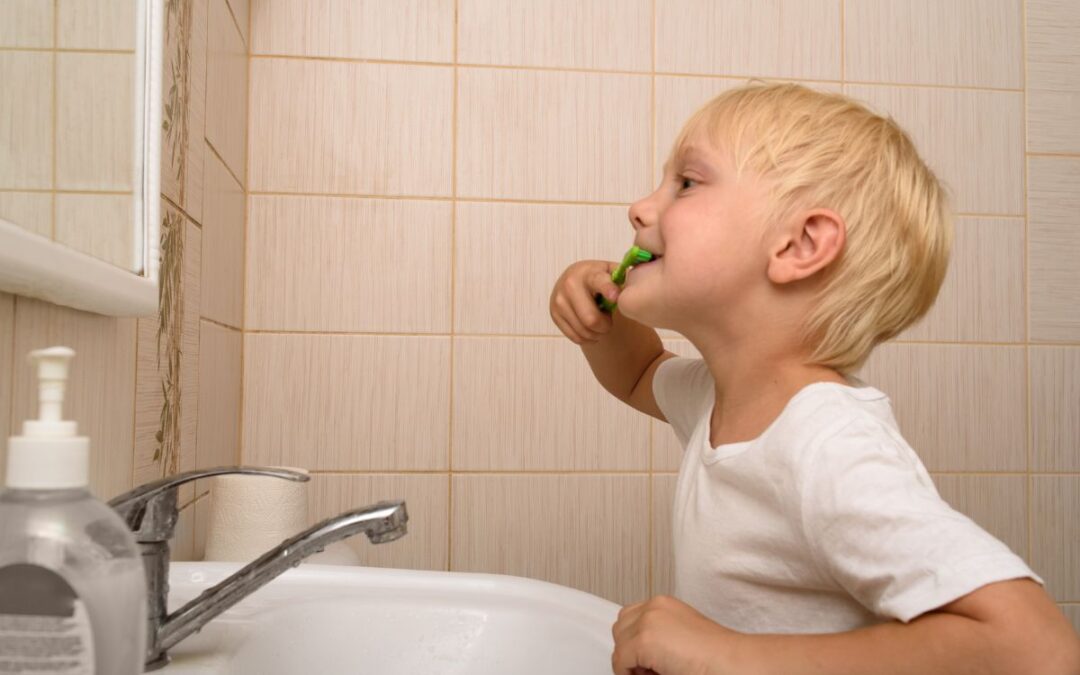
Every parent notices at least one dental habit kids develop during childhood, whether it is thumb sucking, nail biting, tongue thrusting, or prolonged pacifier use. While some behaviors may seem harmless at first, they can eventually affect oral development and alignment. Families visiting Center for Pediatric Dentistry in Augusta often ask when these habits become a concern and how they may impact a child’s smile over time.
The good news is that many oral habits can be improved naturally with guidance, early awareness, and proper dental care. Understanding how these behaviors affect teeth helps parents make informed decisions before small problems turn into larger issues.
Why Oral Habits Matter During Childhood
Children’s mouths and jaws continue to develop throughout infancy, childhood, and the teenage years. Because the bones remain flexible during growth, repeated pressure from certain behaviors can gradually influence alignment and spacing.
Some oral habits that may affect:
- Jaw development
- Speech patterns
- Bite alignment
- Tooth positioning
- Gum health
Not every child experiences complications. However, long-term habits usually increase the risk of orthodontic problems later.
Parents who recognize these behaviors early often have more treatment options and fewer long-term concerns.
Thumb Sucking: One of the Most Common Childhood Behaviors
Thumb sucking begins naturally for many babies. Infants often suck their thumbs for comfort, relaxation, or self-soothing.
Most children stop on their own between ages two and four. In many cases, early thumb sucking does not create serious oral problems.
However, prolonged sucking after permanent teeth begin erupting may contribute to:
- Open bite issues
- Misaligned teeth
- Changes in jaw shape
- Speech difficulties
- Improper tongue placement
Many families discuss the dental habits their kids develop with the pediatric dentists at the Center for Pediatric Dentistry in Augusta and appreciate learning how early evaluations can help identify developmental concerns before they worsen. The office provides child-friendly care designed to help young patients feel relaxed and comfortable during every appointment.
How Thumb Sucking Affects Oral Development
The intensity and frequency of thumb sucking often matter more than the behavior itself.
Children who rest their thumb lightly in the mouth may experience fewer problems than children who suck aggressively for long periods daily.
Over time, repeated pressure can push the upper front teeth outward while shifting the lower teeth inward. This pressure may also narrow the roof of the mouth and affect bite alignment.
Some children eventually develop an open bite, where the upper and lower front teeth no longer touch properly.
Early intervention usually prevents more severe complications later.
Pacifier Use and Dental Development
Pacifiers can comfort babies and even help reduce stress during infancy. However, extended use may affect oral growth similarly to thumb sucking.
Dentists generally recommend limiting pacifier use after age two and discontinuing it completely around age three when possible.
Long-term pacifier use may contribute to:
- Bite problems
- Misaligned teeth
- Narrow palate development
- Speech concerns
Parents should avoid dipping pacifiers in sugary substances because this practice greatly increases cavity risk.
Nail Biting and Its Effects on Teeth
Nail biting commonly begins during childhood or adolescence. Stress, boredom, anxiety, or concentration often trigger this behavior.
Although many people consider nail biting harmless, it can place significant pressure on teeth and jaw joints.
Potential problems include:
- Chipped teeth
- Enamel wear
- Jaw soreness
- Gum irritation
- Increased bacteria exposure
Because nails contain germs and bacteria, frequent nail biting may also increase oral infections.
Helping children identify emotional triggers can support healthier coping methods over time.
Tongue Thrusting and Speech Development
Tongue thrusting occurs when the tongue pushes forward against the front teeth during swallowing or speaking.
This issue often develops alongside prolonged thumb sucking or pacifier use.
Children with tongue thrusting may experience:
- Speech challenges
- Open bite formation
- Difficulty swallowing properly
- Changes in tooth alignment
Speech therapists and dentists sometimes work together to address tongue posture problems early.
The earlier treatment begins, the easier correction usually becomes.
Mouth Breathing and Oral Health
Mouth breathing may not seem like a dental issue at first, but it can strongly influence oral development.
Children may breathe through the mouth because of:
- Allergies
- Enlarged tonsils
- Nasal blockage
- Chronic congestion
Long-term mouth breathing can contribute to:
- Dry mouth
- Increased cavity risk
- Gum inflammation
- Narrow jaw growth
- Facial development changes
Parents who notice chronic mouth breathing should discuss it with both a dentist and pediatrician.
Teeth Grinding During Sleep
Many children grind their teeth while sleeping. This condition, known as bruxism, often appears during stressful periods or developmental changes.
Mild grinding sometimes disappears naturally as children grow. However, persistent grinding may cause:
- Jaw discomfort
- Tooth wear
- Headaches
- Sleep disturbances
Dentists monitor grinding closely during routine checkups to determine whether treatment becomes necessary.
Signs Parents Should Watch For
Certain warning signs may indicate that an oral habit is affecting development.
Parents should monitor for:
- Changes in bite alignment
- Difficulty chewing
- Speech changes
- Prolonged thumb sucking after age four
- Crowded teeth
- Frequent mouth breathing
- Jaw discomfort
Regular dental visits help identify these concerns before they become more difficult to correct.
How Parents Can Help Children Stop Harmful Oral Habits
Punishment often creates stress and may worsen the behavior. Instead, gentle encouragement and positive reinforcement usually work better.
Helpful strategies include:
Offer Positive Encouragement
Celebrate small progress rather than focusing only on setbacks.
Identify Triggers
Stress, boredom, or anxiety may contribute to repetitive behaviors.
Create Distractions
Busy hands and engaging activities can reduce thumb sucking or nail biting.
Establish Bedtime Routines
Many children suck their thumb while falling asleep, so calming nighttime routines may help.
Use Gentle Reminders
Supportive reminders work better than criticism.
Consistency and patience remain extremely important during this process.
Why Early Dental Evaluations Matter
Routine dental visits help professionals monitor oral growth throughout childhood.
Early evaluations allow dentists to:
- Detect alignment concerns
- Monitor jaw development
- Recommend preventive strategies
- Reduce the need for extensive future treatment
Preventive care often saves families time, stress, and treatment costs later.
Children also become more comfortable with dental visits when appointments begin early.
Building Healthy Oral Habits for the Future
Parents play a major role in helping children build healthy routines that support lifelong oral health.
Children benefit from learning:
- Proper brushing techniques
- Daily flossing
- Healthy eating habits
- Regular dental checkups
- Positive attitudes toward oral care
Good habits developed during childhood often continue into adulthood.
Conclusion
Every dental habit kids develop can influence oral health differently, especially when behaviors continue for long periods. Thumb sucking, nail biting, tongue thrusting, and mouth breathing may affect alignment, jaw growth, and overall dental development if left untreated. Fortunately, early awareness and preventive dental care can help parents address these concerns before they become more serious.
If you want personalized guidance for your child’s oral development, visit our dental office at Center for Pediatric Dentistry in Augusta to schedule an appointment and learn how early care can support a healthy, confident smile for your child.