
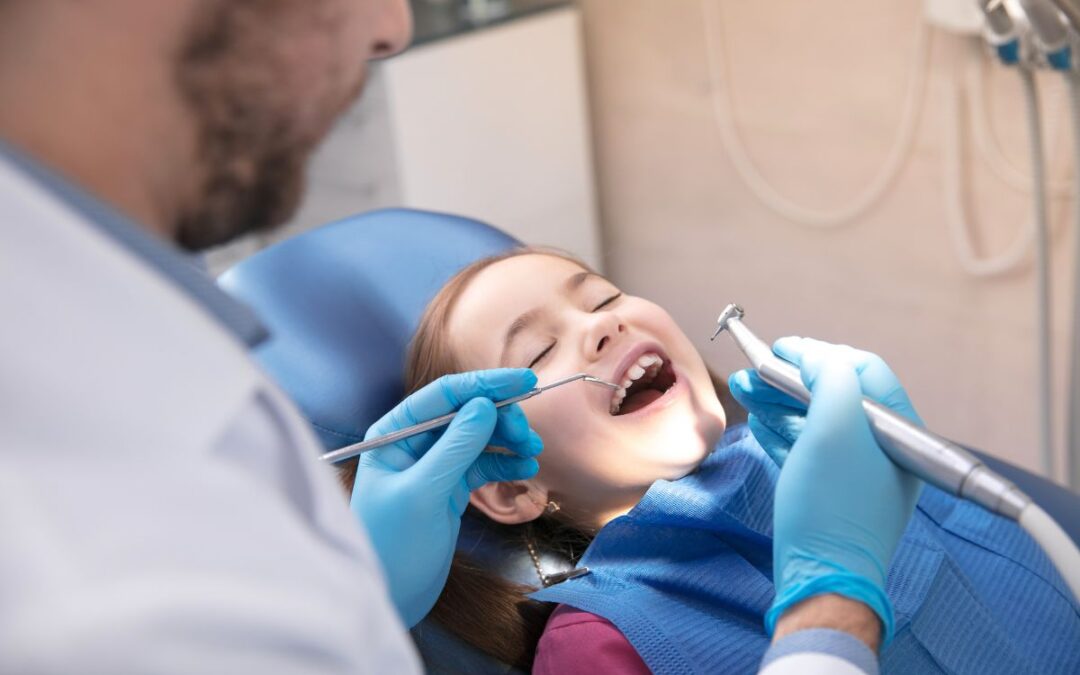
Many parents still believe several pediatric dentistry myths, and these misunderstandings often affect a child’s long-term oral health. At Center for Pediatric Dentistry, families frequently ask questions about baby teeth, cavities, dental visits, and oral care habits because so much confusing information exists online and through word of mouth.
Why Dental Myths About Children Still Exist
Parents naturally want the best for their children. However, outdated advice from relatives, social media posts, or old beliefs can create confusion. Some of these myths started decades ago when dental care and preventive treatments were very different from today.
Modern dentistry now focuses heavily on prevention, education, and early care. Because of that, many older ideas no longer apply.
Understanding the truth behind these myths helps parents make smarter choices for their child’s smile and overall health.
Myth #1: Baby Teeth Don’t Matter Because They Fall Out
This is one of the most common pediatric dentistry myths parents still believe.
Baby teeth play a major role in a child’s development. They help children:
- Chew food properly
- Speak clearly
- Maintain space for permanent teeth
- Build healthy oral habits early
When baby teeth develop cavities or infections, children may experience pain, trouble eating, and difficulty sleeping. In severe cases, untreated decay can even affect adult teeth developing underneath the gums.
Many families visiting a pediatric dentist in Augusta at Center for Pediatric Dentistry are surprised to learn that caring for baby teeth can reduce future orthodontic problems and improve lifelong oral health habits. The office creates a fun environment with game rooms, movies, and child-friendly treatment areas to help children feel comfortable during visits.
Myth #2: Children Do Not Need a Dentist Until They Start School
Many parents wait too long before scheduling the first dental visit. However, experts recommend a child’s first dental appointment by their first birthday or when the first tooth appears.
Early visits help dentists:
- Monitor tooth development
- Detect early signs of decay
- Teach parents proper cleaning methods
- Reducing dental fear later in life
Children who visit the dentist early often feel more relaxed during future appointments. They become familiar with the environment and learn that dental visits are a normal part of staying healthy.
Myth #3: Cavities in Kids Are Only Caused by Candy
Candy can contribute to cavities, but it is not the only cause.
Many foods and drinks contain hidden sugars, including:
- Juice
- Sports drinks
- Flavored milk
- Crackers
- Sticky snacks
- Breakfast cereals
Frequent snacking also increases cavity risk because bacteria continue producing acid throughout the day.
Good brushing habits, regular cleanings, and balanced nutrition matter more than avoiding one specific type of food.
Myth #4: Brushing Harder Cleans Teeth Better
Some parents believe that a stronger brushing removes more plaque. In reality, aggressive brushing can damage enamel and irritate gums.
Children should use:
- A soft-bristled toothbrush
- Gentle circular motions
- Fluoride toothpaste in the correct amount
Parents should supervise brushing until children develop proper coordination. Most children need help brushing effectively longer than many parents expect.
Myth #5: Thumb Sucking Always Ruins Teeth
Thumb sucking is normal during infancy and early childhood. Most children naturally stop on their own between ages two and four.
Problems usually occur only when the habit continues for a long time after permanent teeth begin developing. Prolonged thumb sucking may affect bite alignment or jaw growth.
Instead of punishment, parents should encourage positive reinforcement and supportive habit-breaking strategies.
Myth #6: Dental X-Rays Are Dangerous for Children
Modern dental X-rays use very low radiation levels. Dentists also take extra safety precautions, including protective coverings and advanced digital technology.
X-rays help dentists identify problems that may not appear during a regular exam, such as:
- Cavities between teeth
- Impacted teeth
- Bone issues
- Development concerns
Without proper imaging, some problems may remain hidden until they become painful or expensive to treat.
Myth #7: If a Child Is Not Complaining, Their Teeth Are Healthy
Children often do not recognize dental pain right away. Some continue eating and playing even when cavities or infections exist.
That is why regular checkups remain important. Dentists can detect early warning signs before discomfort becomes severe.
Preventive visits also help avoid emergency treatment later.
Myth #8: Sugar-Free Drinks Cannot Harm Teeth
Many parents assume sugar-free drinks are automatically safe for teeth. However, acidic beverages can still weaken enamel.
Some sugar-free drinks contain acids that slowly erode tooth surfaces over time. Sparkling waters, sports drinks, and flavored beverages may still affect oral health.
Water remains the best choice for hydration and healthy teeth.
Myth #9: Children Will Eventually Learn Oral Hygiene on Their Own
Children need guidance and consistency to build strong dental habits. Good oral hygiene develops through daily practice and parental involvement.
Parents should:
- Brush their child’s teeth twice daily
- Encourage flossing
- Limit sugary snacks
- Schedule routine dental visits
- Model healthy habits themselves
When parents stay involved, children usually maintain better oral health into adulthood.
Myth #10: Dental Visits Are Always Scary for Kids
This belief often comes from negative experiences adults had during childhood. Today, many dental offices focus on creating a calm and welcoming atmosphere for children.
A child-friendly office can completely change how children feel about dental care.
At Center for Pediatric Dentistry, children enjoy entertainment areas, movies, and welcoming treatment spaces designed specifically for young patients. The team focuses on helping children feel safe and relaxed during every appointment.
How Parents Can Separate Facts From Myths
The internet contains endless dental advice, but not all of it is accurate. Parents should rely on trusted dental professionals and evidence-based information.
Here are a few smart ways to avoid misinformation:
- Ask questions during dental appointments
- Read information from reputable dental organizations
- Avoid believing viral social media claims immediately
- Schedule regular preventive checkups
- Focus on long-term oral health instead of quick fixes
When parents understand the truth behind these misconceptions, they can make better decisions for their children.
The Importance of Early Preventive Care
Preventive dentistry helps children avoid major dental issues later in life. Routine cleanings, exams, fluoride treatments, and healthy habits protect developing teeth and gums.
Early care also teaches children confidence and responsibility. Instead of fearing dental visits, they learn to view oral care as part of a healthy lifestyle.
That positive mindset can continue throughout adulthood.
Conclusion
Many pediatric dentistry myths continue to spread among parents, but understanding the facts can help protect your child’s smile for years to come. Baby teeth matter, early dental visits are important, and preventive care plays a major role in lifelong oral health. By separating myths from reality, parents can help children develop healthy habits and avoid unnecessary dental problems in the future.
If you are looking for trusted care for your child, visit our dental office at Center for Pediatric Dentistry to schedule an appointment and learn how personalized children’s dental care can support a healthy, confident smile.