
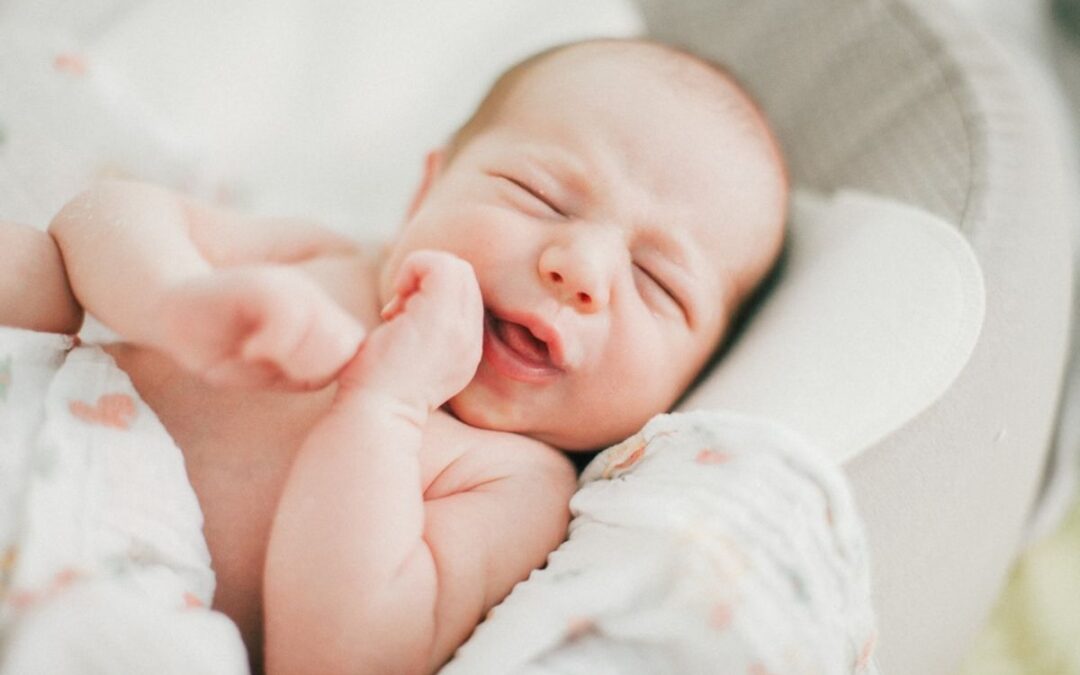
As a parent, you may wonder, do babies sleep more when teething? Many parents notice changes in their baby’s sleep patterns during this stage, and it can be confusing to understand what’s normal. Teething is a natural part of your child’s development, but it often comes with a mix of symptoms that affect sleep, feeding, and mood. This article explains what to expect and how to comfort your little one during this milestone.
What Is Teething and When Does It Start?
Teething is the process where a baby’s first teeth, also known as primary teeth, begin to push through the gums. Most babies begin teething between 4 to 7 months, but some may start earlier or later. The process can be uncomfortable for babies, which can lead to different behavioral changes.
Common signs of teething include:
- Swollen or tender gums
- Drooling
- Chewing on hands or toys
- Irritability
- Trouble sleeping
Although the symptoms vary, parents often question if teething affects how much their baby sleeps.
Do Babies Sleep More When Teething?
Now let’s answer the big question: do babies sleep more when teething? The answer is — sometimes.
Some babies may sleep more during teething because their bodies are working harder, and they may feel more tired than usual. Others may actually sleep less due to discomfort. Every baby responds differently. It’s important for parents to observe any unusual changes and determine whether their child is seeking extra rest or having trouble falling asleep.
Other Factors That Influence Baby Sleep
Teething may not be the only reason for your baby’s sleep changes. Several other factors can affect how much your baby sleeps during this time:
- Growth spurts
- Illness or fever
- New environments or changes in routine
- Emotional development
If your baby seems overly sleepy or irritable for more than a few days, it’s a good idea to consult your pediatric dentist to rule out any oral concerns or underlying issues.
Tips to Help Your Baby Sleep Better During Teething
Here are some gentle ways to help soothe your baby and support their sleep:
- Use a clean, chilled teething ring or a cold spoon
- Gently massage the gums with a clean finger
- Keep your baby’s face dry to avoid skin irritation from drool
- Stick to a calming bedtime routine
- Offer extra cuddles and comfort
These tips can ease your baby’s discomfort and help them get better rest.
When to Contact a Dentist or Doctor
If your baby is not eating, running a high fever, or seems very unwell, it’s important to seek professional help. While teething is a natural process, it should not cause severe symptoms. A quick check-up with a dentist can give you peace of mind and help address any dental concerns early.
Conclusion
In summary, do babies sleep more when teething? Some might, while others may struggle with sleep. The most important thing is to observe your child and provide comfort when needed. If symptoms continue or you have concerns, don’t hesitate to visit our dental office at the Center for Pediatric Dentistry. Our caring team is here to support your child’s healthy smile through every stage of growth.