
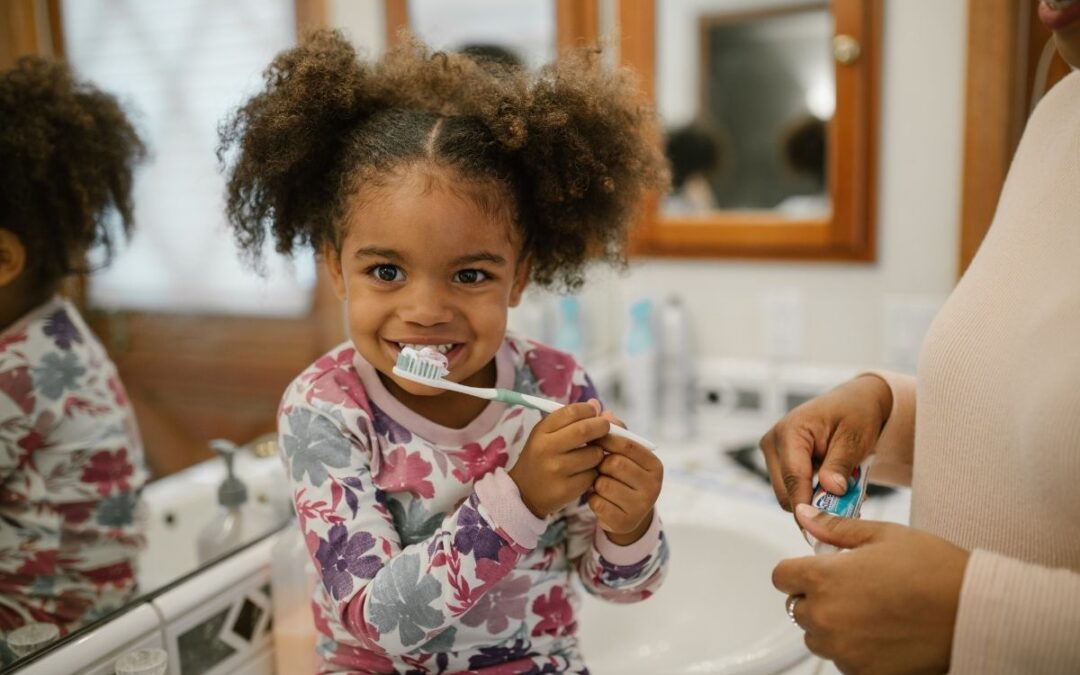
Most parents in Augusta feel confident their child is brushing correctly. They hand over the toothbrush, watch for two minutes, and consider the job done. But here is the truth — your child’s brushing technique might be sabotaging dental sealants without you even realizing it. Understanding why your child’s brushing technique might be sabotaging dental sealants in Augusta starts with knowing what sealants are, how they work, and what daily habits can quietly undermine them.
What Dental Sealants Actually Do — And Why Technique Matters
Dental sealants are thin protective coatings applied to the chewing surfaces of your child’s back teeth. They fill in the deep grooves where bacteria love to hide. Sealants are one of the most effective tools for preventing cavities in children. But they are not invincible — and they depend heavily on proper home care to do their job.
When children brush too hard, too fast, or at the wrong angle, they can gradually wear down sealant edges. This creates micro-gaps where plaque sneaks in. Over time, those gaps allow decay to develop underneath the sealant itself. That defeats the entire purpose of having sealants applied in the first place.
The connection between brushing technique and sealant longevity is something our team at First Visit Augusta discusses with every new patient family. Good habits established early make a measurable difference in how long sealants remain protective.
The Most Common Brushing Mistakes Children Make in Augusta
Children tend to rush brushing because it feels like a chore. Speed is the number one enemy of effective cleaning around sealants. When kids rush, they miss the back molars almost entirely — which are exactly the teeth sealants are designed to protect.
Here are the most frequent brushing errors our dentists see during exams:
- Scrubbing side to side instead of using small circular motions
- Pressing too hard, which erodes sealant edges over time
- Skipping the back teeth because they are harder to reach
- Brushing for less than two minutes, which leaves plaque behind
- Using the wrong toothbrush size that cannot reach molar surfaces properly
- Holding the brush flat instead of angling it at 45 degrees toward the gumline
Each of these mistakes affects sealants differently. But combined, they create conditions where even a perfectly applied sealant cannot protect your child’s teeth the way it should.
Choosing the Right Tools to Protect Your Child’s Sealants
Tool choice matters far more than most parents expect. A toothbrush that is too large cannot navigate around sealed molars effectively. One with bristles that are too stiff can mechanically wear down sealant margins. Selecting the right tools is a simple step that makes a big difference.
Follow these guidelines when choosing tools for your child:
- Use an age-appropriate toothbrush. Smaller heads give better access to back teeth.
- Choose soft bristles always. Medium and hard bristles are too aggressive for children’s enamel and sealants.
- Consider an electric toothbrush. Studies show children brush more effectively with electric models.
- Use a fluoride toothpaste. Fluoride works alongside sealants to strengthen enamel between visits.
- Replace the toothbrush every three months. Worn bristles clean less effectively around sealant grooves.
If you are unsure which toothbrush is right for your child’s age and mouth size, ask our team at your next visit. We provide personalized guidance based on each child’s specific dental needs.
How Flossing and Rinsing Support Your Child’s Sealants
Brushing alone cannot protect every surface that sealants cover. Flossing removes plaque from between teeth where sealants do not reach. When parents skip flossing, that plaque spreads to sealant edges over time. This accelerates breakdown and creates entry points for decay.
Children should begin flossing as soon as two teeth touch — usually around age two or three. Many parents in Augusta are surprised to hear that flossing is recommended this early. But consistent flossing is a major part of keeping sealant-protected teeth clean between dental visits.
Fluoride rinses can add an extra layer of protection for children over six years old. They help remineralize any early weak spots in enamel near sealant edges. Always check with your child’s dentist before adding a rinse to the routine. Not every child needs one, and the right recommendation depends on your child’s specific cavity risk.
Families who build flossing into their child’s routine consistently report better outcomes at checkups. You can read more about what Augusta families experience at What Our Patients Are Saying Augusta.
When to Talk to Your Child’s Dentist About Sealant Wear
Sealants are not permanent. They typically last five to ten years with proper care. But without good brushing technique, they can chip or wear down much sooner. Parents should watch for signs that sealants may need to be checked or replaced.
Contact your child’s dentist if you notice:
- Your child complains of sensitivity on their back teeth
- You can see rough or uneven textures on the chewing surfaces
- Your child’s dentist finds early decay near a sealant during an exam
- It has been over a year since the sealants were professionally evaluated
Routine checkups every six months allow our team to assess sealant integrity and reapply them when needed. Catching early wear is far easier — and less stressful for children — than treating a cavity that developed beneath a failing sealant.
If your child has not had sealants placed yet, or if you have questions about their current ones, now is a great time to schedule a visit and get an honest evaluation.
Frequently Asked Questions
Can brushing too hard actually damage my child’s dental sealants?
Yes, aggressive brushing with stiff bristles or excessive pressure can wear down the edges of dental sealants over time. This creates small gaps where bacteria can enter and cause decay beneath the sealant. Always use a soft-bristled, age-appropriate toothbrush and gentle circular motions to protect sealant surfaces.
At what age should children start getting dental sealants?
Dental sealants are typically applied when a child’s first permanent molars come in, usually around age six. A second set may be placed when the second permanent molars emerge around age twelve. Your child’s dentist will recommend the right timing based on your child’s individual tooth development.
How long do dental sealants last for children?
With proper brushing technique and regular dental checkups, sealants can last five to ten years. Poor oral hygiene habits, incorrect brushing, and infrequent dental visits can shorten that lifespan significantly. Our team checks sealant integrity at every routine visit and can reapply them as needed.
Does my child still need to brush if they have dental sealants?
Absolutely. Sealants only cover the chewing surfaces of back teeth. Your child still needs to brush all tooth surfaces twice daily and floss daily to remove plaque from areas sealants do not protect. Sealants work best as part of a complete oral hygiene routine — not as a replacement for one.
What toothpaste should my child use with dental sealants?
A fluoride toothpaste appropriate for your child’s age is the best choice. Fluoride helps strengthen enamel and works alongside sealants to reduce cavity risk. For children under three, use a rice-sized amount. For children three to six, a pea-sized amount is appropriate. Your child’s dentist can recommend the best option for your child’s specific needs.
Protecting your child’s dental sealants starts at home — with the right technique, the right tools, and a consistent daily routine. Our team at Center for Pediatric Dentistry is here to guide Augusta families every step of the way. Book Now to schedule your appointment with our team.