
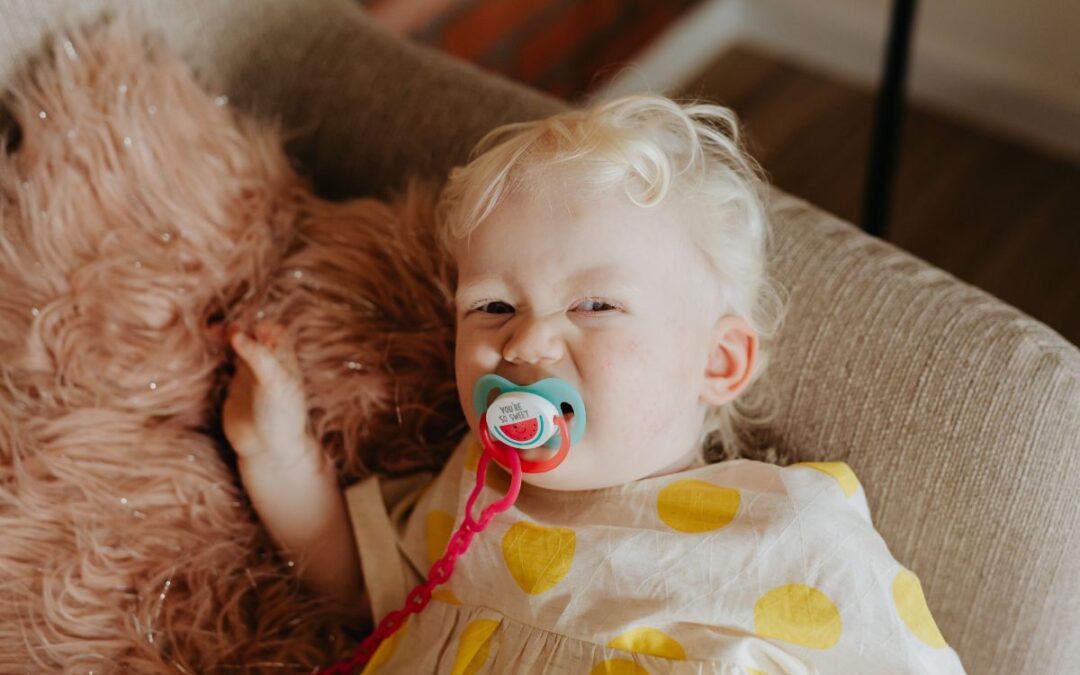
Pacifiers are one of the most common comfort tools parents reach for, and for good reason. They soothe fussy babies, help with sleep, and give infants a safe outlet for their natural sucking reflex. However, like most good things, timing matters. If a child continues using a pacifier for too long, the habit can begin to affect the development of their teeth, jaw, and bite in ways that may require treatment later.
Here’s what parents should know about pacifier use, when it becomes a concern, and how to help their child transition away from it smoothly.
Why Pacifier Use Is Normal in Infancy
Sucking is one of the first reflexes babies develop, even before birth. It helps them self-soothe, fall asleep, and cope with stress or overstimulation. For infants, pacifier use is not only normal but can also provide several benefits. It may help babies settle more easily at bedtime and, according to pediatric guidelines, may reduce the risk of Sudden Infant Death Syndrome (SIDS) during the first year of life.
During this stage, parents generally do not need to worry about dental effects. The concern develops gradually and depends less on whether a child uses a pacifier and more on how long the habit continues.
When Pacifier Habits Start Affecting Teeth
Most pediatric dentists agree that the risk begins to increase once a child’s permanent teeth start developing beneath the baby teeth, typically between the ages of 2 and 4. Prolonged, frequent, or vigorous pacifier use during this stage may lead to:
- Open bite: The front teeth do not meet properly when the mouth is closed.
- Overbite or a narrowed upper jaw: Constant pressure against the roof of the mouth can affect jaw development.
- Teeth that tip outward: Repeated sucking pressure may push the front teeth forward.
- Changes in the shape of the roof of the mouth: These changes can sometimes contribute to speech development concerns.
The intensity of the habit matters just as much as the child’s age. A child who uses a pacifier only to fall asleep has a lower risk than one who sucks on it throughout the day.
The Right Age to Start Weaning
Most pediatric dental guidelines recommend weaning children off pacifiers and thumb-sucking habits by around age 3. At this age, many changes to the developing bite can still improve naturally once the habit stops.
If your child continues to rely heavily on a pacifier after age 3, mention it during their next dental visit, even if you have not noticed any visible changes. Identifying the habit early gives your dentist more opportunities to prevent long-term dental problems.
Practical Ways to Wean Your Child Off a Pacifier
There is no single approach that works for every child. The best method often depends on your child’s personality and age. Parents commonly find success with these strategies:
- Gradually limit pacifier use to naps and bedtime before eliminating it completely.
- Offer praise or small rewards when your child goes without the pacifier.
- Replace the pacifier with another comfort item, such as a favorite stuffed animal or blanket.
- Let older toddlers participate in the process by saying goodbye to the pacifier through traditions like the “Pacifier Fairy.”
Some families prefer to stop pacifier use all at once. While this approach can work, it is usually more successful when paired with patience, consistency, and a comforting bedtime routine.
What Happens If the Habit Continues Too Long?
If a child continues using a pacifier or sucking their thumb after their permanent teeth begin to erupt, some bite changes may not correct themselves naturally. In these situations, a pediatric dentist may recommend monitoring the child’s dental development. If necessary, they may suggest early orthodontic treatment or refer the child to an orthodontist to help guide healthy tooth and jaw development.
This is why early conversations with a pediatric dentist are so valuable. Most bite problems are much easier to manage before they become permanent.
How Center for Pediatric Dentistry Supports Parents Through This Stage
At every routine visit, our team carefully monitors how your child’s teeth, bite, and jaw are developing, including any changes related to pacifier or thumb-sucking habits. If we notice that the habit is beginning to affect alignment, we will explain your options early. This may include practical weaning strategies or, if needed, a referral for orthodontic evaluation later.
Our goal is to identify small concerns before they become larger problems, giving your child the best chance for healthy dental development.
If you are unsure whether your child’s pacifier habit is becoming a concern, don’t wait until you notice visible changes. Bringing it up during a routine dental checkup allows your pediatric dentist to evaluate your child’s bite and offer guidance before small issues become more difficult to correct.
Schedule your child’s appointment today to monitor their dental development and get personalized advice on pacifier use, thumb-sucking habits, and healthy smile growth. Our team is here to support you every step of the way.
Frequently Asked Questions
Does thumb-sucking cause the same dental problems as pacifier use?
Yes. Thumb-sucking and pacifier use place similar pressure on the teeth and the roof of the mouth, so both habits can affect bite development. Thumb-sucking is often more difficult to stop because the thumb is always available.
Is it better to switch a pacifier-dependent toddler to thumb-sucking?
No. Switching to thumb-sucking does not reduce the risk of dental problems. In fact, thumb-sucking is usually harder to break because there is no object to remove or limit. The goal should be to gradually eliminate sucking habits altogether.
Will my child’s teeth straighten naturally after they stop using a pacifier?
In many cases, yes. If the habit ends before the permanent teeth begin erupting, the bite often improves naturally. The earlier the habit stops, the greater the chance that no additional treatment will be needed.
Are orthodontic pacifiers better for developing teeth?
Orthodontic pacifiers may place slightly less pressure on the roof of the mouth than traditional round pacifiers. However, they do not eliminate the risk of dental changes caused by prolonged use. The length and intensity of the habit remain the most important factors.
At what age should I discuss my child’s pacifier habit with a dentist?
It is a good idea to mention the habit during routine dental visits once your child reaches age 2, even if you have not noticed any visible changes. Early guidance can help prevent future bite and alignment problems.