
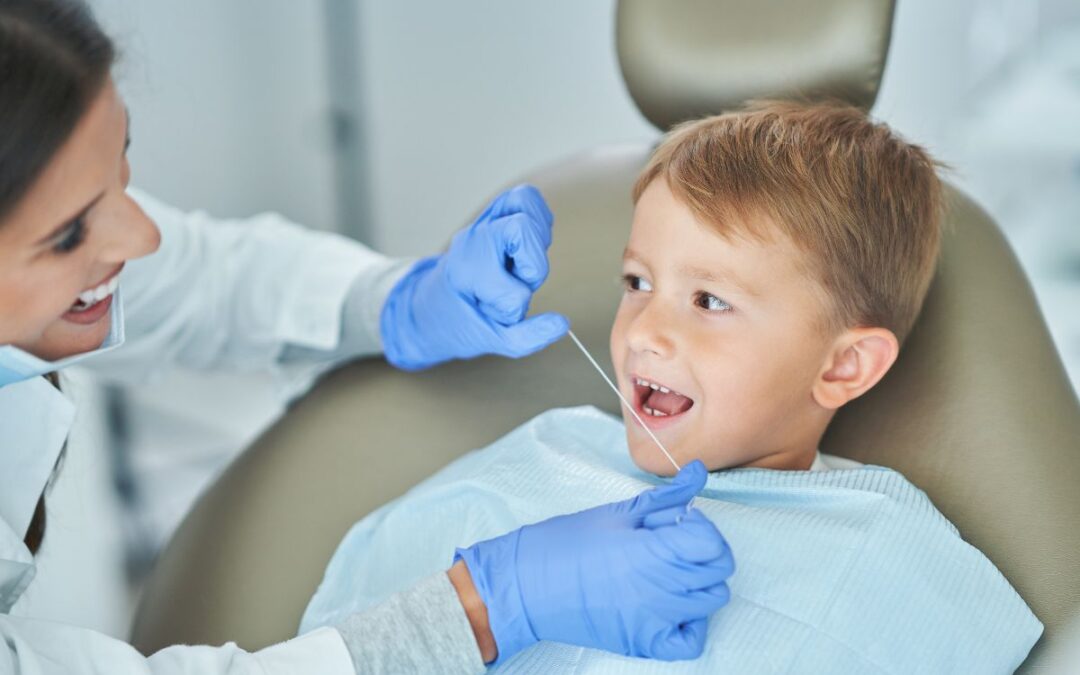
Flossing for kids is one of the most important habits you can teach your child for lifelong oral health. While brushing removes plaque from the front and back of the teeth, floss reaches the tight spaces where a toothbrush cannot. At Center for Pediatric Dentistry in Augusta, we understand that helping children develop healthy habits takes patience, encouragement, and the right approach. Our goal is to make oral care enjoyable so every child grows up with a confident, healthy smile.
Why Flossing Is Important for Children
Many parents focus on brushing but overlook flossing. However, plaque and food particles often collect between teeth, especially after children begin eating a wider variety of foods.
Teaching your child to floss early offers several benefits:
- Removes plaque between teeth
- Helps prevent cavities
- Reduces the risk of gum inflammation
- Keeps breath fresher
- Supports healthy permanent teeth
When flossing becomes part of a daily routine, children are more likely to continue the habit into adulthood.
When Should Kids Start Flossing?
Parents often wonder when the right time is to begin.
The answer is simple. You should start flossing as soon as two teeth touch each other. For many children, this happens between ages two and three, although every child develops differently.
At first, parents should handle the flossing because young children usually lack the hand coordination to clean effectively.
If your family is looking for trusted guidance on flossing for kids, Center for Pediatric Dentistry in Augusta provides compassionate pediatric dentistry services designed to help children feel comfortable while teaching parents practical oral hygiene techniques. Our child-friendly office creates a positive environment where families receive personalized care that supports healthy smiles at every stage of development.
Why Children Often Resist Flossing
Many children dislike flossing at first, but that does not mean they cannot learn to enjoy it.
Some common reasons include:
- It feels unfamiliar.
- They become impatient.
- Their gums may bleed slightly when starting.
- Traditional floss seems difficult to use.
Fortunately, most of these challenges improve with regular practice and positive encouragement.
Flossing for Kids: Tips That Actually Work
Helping children build lifelong habits becomes easier when you make flossing simple and enjoyable.
Make It Part of the Daily Routine
Children respond well to consistency.
Choose one time every day, such as after brushing before bedtime. When flossing happens at the same time each day, it quickly becomes a normal part of the routine.
Consistency often matters more than perfection.
Use Kid-Friendly Floss Picks
Many children struggle with regular dental floss.
Floss picks designed for children offer several advantages:
- Easier to hold
- Faster to use
- Less frustrating
- More colorful and appealing
Although traditional floss works well, floss picks can make learning much easier.
Turn It Into a Fun Activity
Children learn best through play.
You can make flossing more enjoyable by:
- Playing their favorite song
- Using a two-minute timer
- Creating a reward chart
- Reading a short bedtime story afterward
Small rewards and positive experiences help build lasting habits.
Lead by Example
Children often copy what they see.
Instead of simply telling your child to floss, floss your own teeth alongside them.
When they see parents making oral health a priority, they become more willing to participate.
How Parents Can Teach Proper Flossing Technique
Good technique makes a big difference.
Follow these simple steps:
- Break off about 18 inches of floss.
- Wrap most of the floss around your middle fingers.
- Hold a short section tightly.
- Gently slide the floss between the teeth.
- Curve it into a C shape around each tooth.
- Move it up and down carefully.
- Use a clean section for each tooth.
Avoid snapping the floss into the gums because this can cause discomfort.
Common Mistakes Parents Should Avoid
Even with the best intentions, some habits can reduce the effectiveness of flossing.
Try to avoid:
- Waiting until food becomes trapped
- Flossing only occasionally
- Rushing through the process
- Using excessive force
- Allowing young children to floss completely on their own too early
Instead, supervise until your child demonstrates good coordination, which often happens around ages eight to ten.
Making Flossing Easier for Different Age Groups
Toddlers
At this age:
- Parents should do all the flossing.
- Keep sessions short.
- Offer praise afterward.
Preschool Children
Children become more curious during these years.
You can:
- Let them hold the floss pick first.
- Demonstrate on yourself.
- Guide their hands while helping.
School-Age Children
Older children enjoy greater independence.
Encourage them to:
- Practice proper technique
- Floss every evening
- Ask questions during dental visits
Continue checking their technique until they become consistent.
Teenagers
Teenagers understand the long-term benefits more easily.
Remind them that flossing helps:
- Prevent cavities
- Maintain fresh breath
- Keep gums healthy
- Protect orthodontic work if they wear braces
Signs Your Child Is Flossing Correctly
Parents often wonder whether flossing is effective.
Positive signs include:
- Cleaner spaces between teeth
- Less food trapped after meals
- Healthy pink gums
- Reduced bleeding after the first few weeks
- Fresher breath
If bleeding continues for more than two weeks, schedule a dental evaluation.
Foods That Support Healthy Teeth
Flossing works best alongside healthy eating habits.
Choose foods like:
- Apples
- Carrots
- Cheese
- Yogurt
- Leafy vegetables
- Water
Try to limit:
- Sticky candy
- Sugary drinks
- Frequent snacking
- Chewy sweets
A balanced diet supports strong teeth while reducing cavity risk.
How Regular Dental Visits Support Healthy Habits
Home care is essential, but professional care plays an equally important role.
Routine dental visits allow your child’s dentist to:
- Monitor oral development
- Detect cavities early
- Remove plaque buildup
- Demonstrate proper flossing techniques
- Answer parents’ questions
Regular checkups also help children become comfortable in the dental office, making future visits much less stressful.
Frequently Asked Questions About Flossing
Should my child floss before or after brushing?
Either order works well. Many dentists recommend flossing before brushing so fluoride toothpaste can better reach between the teeth.
What if my child’s gums bleed?
Mild bleeding often occurs when children first begin flossing. Consistent daily flossing usually improves gum health within one to two weeks.
Are floss picks as effective as regular floss?
When used correctly, floss picks can effectively remove plaque and help children develop healthy habits.
How often should children floss?
Children should floss once every day to keep the spaces between their teeth clean and healthy.
Building healthy habits does not have to feel like a struggle. With patience, encouragement, and the right techniques, flossing for kids can become a simple part of your child’s daily routine that protects their smile for years to come. If you would like personalized guidance or preventive dental care for your child, schedule an appointment with Center for Pediatric Dentistry in Augusta today and visit our dental office to help your child build strong oral health habits with confidence.