
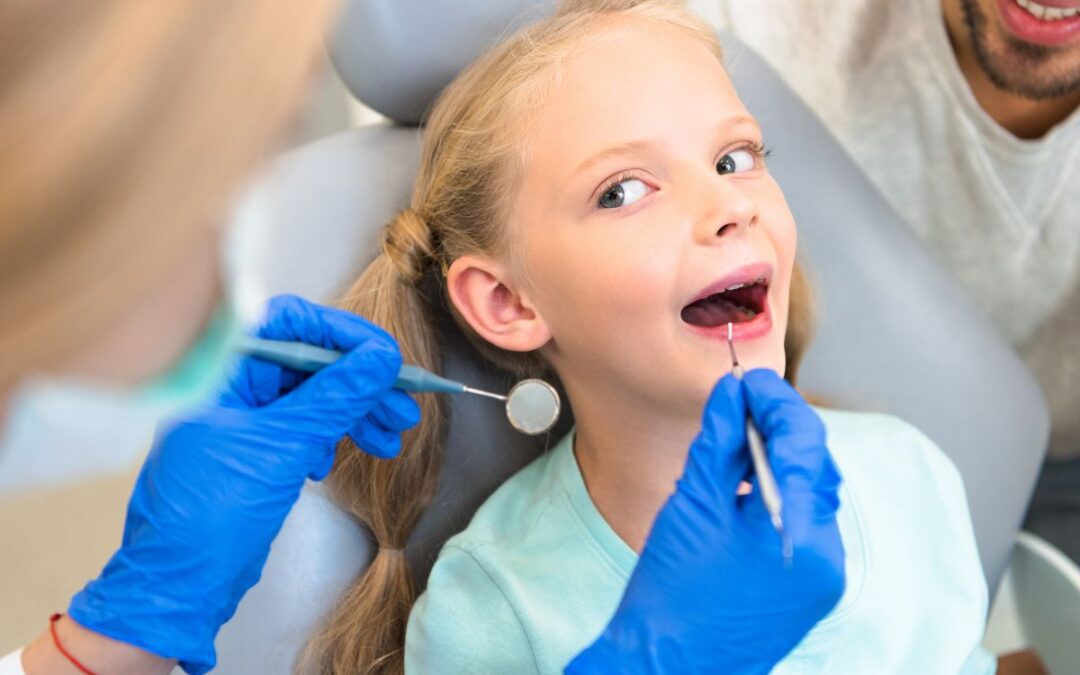
As a parent, noticing changes in your child’s teeth can be both exciting and concerning. Sometimes, subtle shifts in dental development hint at the need for early intervention. Understanding the early signs that your child may need orthodontic care can help you act and ensure your child enjoys a healthy, confident smile. Catching these issues before all the baby teeth fall out can make treatment simpler, faster, and more effective.
Why Early Orthodontic Attention Matters
Orthodontic care is not about straightening teeth for cosmetic reasons. It plays a crucial role in ensuring proper jaw growth, bite alignment, and oral health. Addressing problems early can prevent:
- Crowding of permanent teeth
- Misaligned bites (overbite, underbite, crossbite)
- Difficulty chewing or speaking
- Increased risk of tooth decay and gum problems
Pediatric dentists often emphasize the importance of spotting warning signs before permanent teeth settle in, making early orthodontic evaluation a proactive step rather than a reactive one.
Common Early Signs Your Child May Need Orthodontic Care
Recognizing the signals that suggest orthodontic intervention can be key. Here are some red flags parents should watch for:
1. Crowding or Overlapping Teeth
If your child’s baby teeth appear close together or overlap, it may mean that their jaw does not have enough room for permanent teeth. Crowded teeth can lead to:
- Difficulty cleaning teeth properly
- Increased risk of cavities
- Early wear or damage to teeth
At this stage, a pediatric dentist can check jaw growth and suggest ways to guide teeth into proper positions.
2. Early or Late Loss of Baby Teeth
The timing of tooth loss matters. Losing teeth early or late can disrupt the natural alignment of permanent teeth. Indicators include:
- Teeth falling out before age 5
- Teeth remaining past age 7 or 8
- Permanent teeth coming in crooked or in the wrong order
Visiting a pediatric dentist for regular checkups helps track your child’s dental milestones and prevents future alignment issues.
3. Difficulty Biting or Chewing
If your child often struggles to bite or chew, it may signal bite misalignment. Watch for:
- Trouble biting into fruit or sandwiches
- Favoring one side of the mouth while chewing
- Jaw discomfort or clicking sounds
Early orthodontic care can correct bite problems before they worsen and affect speech or eating habits.
4. Thumb Sucking or Pacifier Habits Beyond Age 4
Persistent thumb sucking or extended use of a pacifier can cause teeth to shift forward, creating an overbite or open bite. Signs to watch for:
- Front teeth pushed outward
- Difficulty closing lips comfortably
- Speech changes
A pediatric dentist can provide strategies to reduce habits that impact tooth alignment and support proper growth.
5. Mouth Breathing and Snoring
Breathing patterns can influence jaw and teeth development. Chronic mouth breathing may lead to:
- Narrower jaws
- Overcrowded teeth
- Altered facial growth
Addressing airway or breathing issues with an early orthodontic consultation can prevent more complex interventions later.
6. Misaligned Jaw or Facial Asymmetry
Sometimes, jaw misalignment is visible in the form of an uneven facial structure or a noticeable overbite or underbite. Signs include:
- Chin shifted to one side
- Uneven smile
- Jaw popping or clicking
Early evaluation by a pediatric dentist allows for prompt interventions that guide jaw growth naturally.
How Pediatric Dentists Check Early Orthodontic Needs
If you notice these early warning signs, a professional assessment is the next step. At the Center for Pediatric Dentistry, our pediatric dental team will examine your child’s teeth, bite, and jaw development. During a visit, we:
- Conduct a comprehensive oral examination
- Take X-rays to check jaw and tooth positioning
- Discuss growth patterns and treatment options
- Develop a personalized care plan to guide teeth naturally
Early detection can simplify treatment, reduce the need for invasive procedures, and promote lifelong oral health.
Tips for Parents to Support Healthy Teeth Alignment
Even before formal orthodontic care begins, parents can take steps to support proper dental development:
- Encourage good oral hygiene: Brush twice daily and floss to prevent decay and cavities.
- Monitor habits: Discourage prolonged thumb sucking or pacifier use after age 4.
- Schedule regular dental checkups: Early visits help track dental milestones.
- Offer a balanced diet: Limit sugary snacks and encourage nutrient-rich foods for strong teeth.
- See bite and jaw development: Note any unusual alignment, gaps, or crowding.
These small but consistent steps create a foundation for healthier teeth and more effective orthodontic treatment if needed.
When to Seek an Orthodontic Consultation
The American Association of Orthodontists recommends a first orthodontic checkup by age 7. Even if your child still has baby teeth, an early visit can detect potential concerns. Remember, early treatment often requires less time and can prevent complex procedures later.
If you notice any of the warning signs, it’s time to act. Our pediatric dental team at the Center for Pediatric Dentistry can assess your child’s needs and create a tailored plan for optimal oral development.
Recognizing the early signs that your child may need orthodontic care allows you to safeguard their dental health and set them on the path to a confident smile. Signs such as crowding, misaligned bites, prolonged thumb sucking, and jaw asymmetry should never be ignored. By taking prompt action and consulting a trusted pediatric dentist, you can prevent future complications and ensure healthy growth.
For parents in Augusta, don’t wait—visit our dental office at the Center for Pediatric Dentistry today or schedule an appointment and secure the best start for your child’s smile. Early intervention truly makes a lasting difference.