
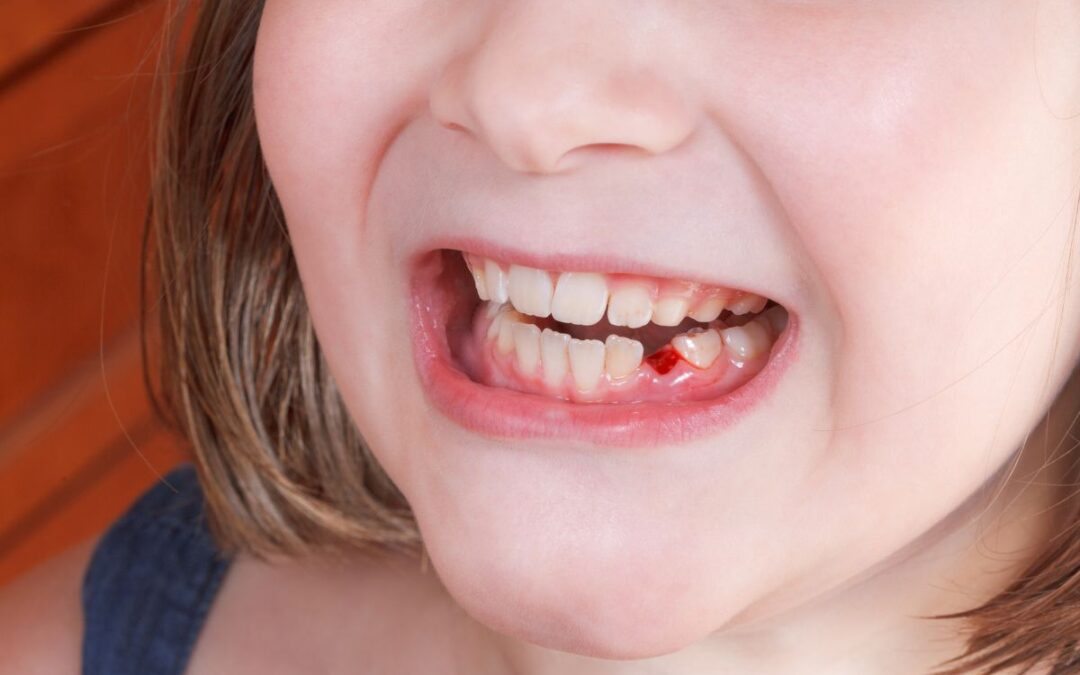
Accidents happen, and sometimes your child may experience a dental emergency where a baby tooth is knocked out. For parents, witnessing this can be alarming and stressful. Knowing the right steps to take immediately can make a huge difference in preventing complications and ensuring your child’s comfort and safety. In this guide, we’ll walk you through exactly what to do if your child loses a tooth unexpectedly.
Understanding the Situation
A knocked-out baby tooth is different from losing a permanent tooth. Baby teeth, also called primary teeth, are meant to fall out naturally to make room for permanent teeth. However, when a tooth is knocked out due to a fall, sports injury, or accident, quick and careful action is essential.
Even though baby teeth will eventually be replaced, you should never ignore dental trauma. Immediate care helps reduce the risk of infection, damage to the gums, or complications with permanent teeth.
Immediate Steps to Take
If your child experiences a baby tooth knocked out, follow these steps right away:
- Stay Calm and Comfort Your Child
- Your reaction matters. Speak soothingly and reassure your child that everything will be okay.
- Keep them seated or lying down to avoid fainting or further injury.
- Locate the Tooth
- Find the knocked-out tooth, handle it by the crown (the white part) and avoid touching the root.
- Baby teeth usually shouldn’t be replanted because it may damage the permanent tooth underneath.
- Control Bleeding
- Apply gentle pressure to the gum using a clean gauze pad or cloth.
- Hold for 10–15 minutes until bleeding slows or stops.
- Cold compresses on the outside of the mouth can reduce swelling.
- Rinse the Mouth
- If your child can, have them gently rinse their mouth with lukewarm water to remove dirt and debris.
- Avoid using harsh mouthwashes or alcohol-based rinses.
When to Call a Pediatric Dentist
Even if it seems minor, a baby tooth knocked out always requires a professional evaluation. Contact a pediatric dentist immediately. At the Center for Pediatric Dentistry in Augusta, our specialists carefully assess the injury to ensure no damage to the surrounding teeth, gums, or the permanent teeth developing underneath.
Calling the dentist promptly allows:
- Proper examination of the injury
- Recommendations for pain management
- Guidance on care at home
- Prevention of infection and further complications
Pain Management at Home
After a dental trauma, managing your child’s discomfort is important. You can:
- Offer over-the-counter pain relief suitable for children, such as acetaminophen or ibuprofen.
- Stick to soft foods for the next few days.
- Encourage drinking cool liquids, but avoid acidic or sugary drinks.
Remember, pain or swelling that persists longer than a day requires urgent attention from your pediatric dentist.
Monitoring for Signs of Complications
After a baby tooth knocked out, parents should watch for warning signs such as:
- Persistent bleeding beyond 20 minutes
- Swelling that worsens over time
- Fever or signs of infection
- Changes in bite or difficulty chewing
Early detection of problems ensures quick intervention and prevents long-term issues.
Preventing Future Tooth Injuries
While accidents cannot always be prevented, you can reduce the risk of dental trauma by:
- Using mouthguards during sports activities
- Supervising playtime and avoiding risky behaviors
- Teaching children how to fall safely or protect their face
Taking preventive measures keeps your child’s smile safe and healthy.
Act Fast and Seek Professional Care
A baby tooth knocked out can be stressful for both child and parent, but acting quickly can make a big difference. Remember the steps: stay calm, control bleeding, rinse, and contact a pediatric dentist immediately. At the Center for Pediatric Dentistry, we provide compassionate care to manage dental emergencies safely.
For expert evaluation and peace of mind, visit our dental office or schedule an appointment. Ensuring your child receives professional care protects their smile today and in the future.