
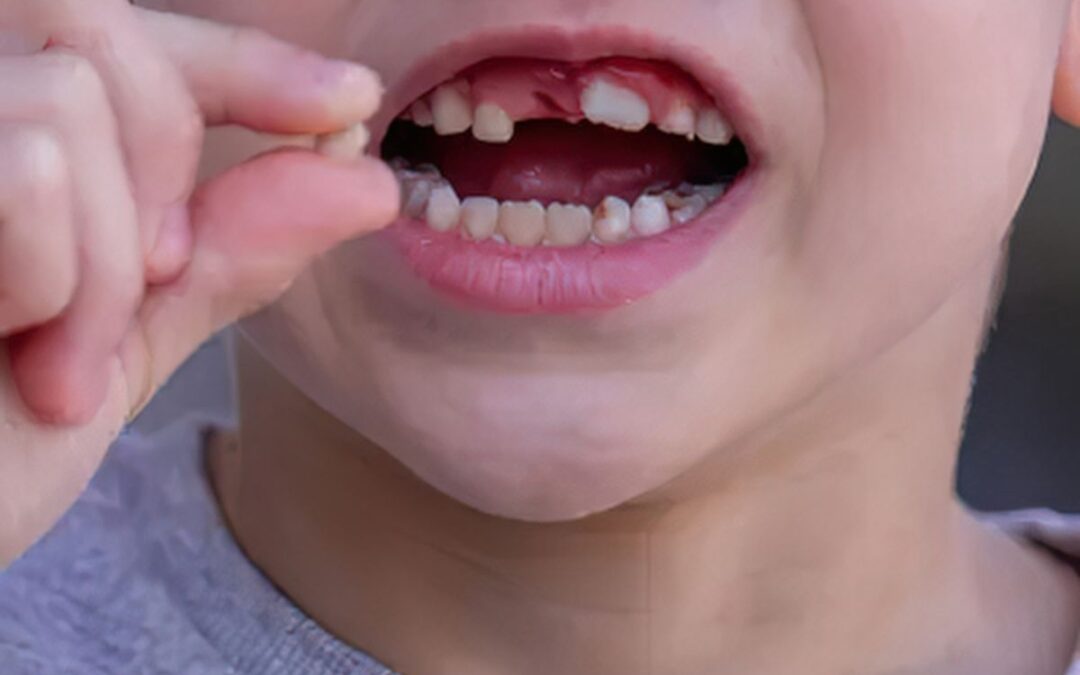
A knocked-out tooth is one of the most alarming moments a parent can face. Your child is crying, there is blood, and you do not know what to do next. Understanding your child’s knocked-out tooth and what happens during treatment in Augusta can make all the difference. At Center for Pediatric Dentistry, our team is trained to handle dental emergencies calmly and quickly. Knowing the steps ahead of time helps parents stay composed when every second counts.
What To Do Before You Arrive in Augusta
The moments right after a tooth is knocked out are critical. Acting quickly gives your child the best chance of saving the tooth. Here is what you should do immediately.
- Pick up the tooth by the crown — never touch the root.
- Rinse the tooth gently with clean water if it is dirty.
- Try to reinsert the tooth into the socket if your child is calm enough.
- If reinsertion is not possible, place the tooth in a cup of milk.
- Get to our Augusta office as quickly as possible — ideally within 30 minutes.
Time is the most important factor in saving a knocked-out tooth. The longer the tooth is outside the socket, the lower the chance of saving it. Call our office on your way so we can prepare for your arrival. Our team will be ready the moment you walk through the door.
Step One: Arrival and Immediate Assessment
When you arrive, our front team will bring your child back right away. There is no waiting when a dental emergency is happening. The dentist will first assess your child’s overall condition and comfort level. We check for any injuries to the face, gums, or jaw before focusing on the tooth itself.
Our team speaks directly to your child in a calm, reassuring voice. We want children to feel safe, not scared. Parents are always welcome to stay close during the examination. This familiarity helps reduce dental anxiety and keeps your child cooperative during treatment.
We also ask a few quick questions during assessment. How did the injury happen? How long has the tooth been out? Is this a baby tooth or a permanent tooth? These answers directly shape the treatment plan we use.
Step Two: Examining the Tooth and the Socket
Once your child is settled, the dentist examines the knocked-out tooth closely. We check the root surface for any damage or contamination. We also examine the empty socket in your child’s mouth. This tells us whether reinsertion is possible or whether another approach is needed.
We take a dental X-ray to see what is happening beneath the gumline. X-rays reveal bone damage or issues with neighboring teeth. This step takes only a few minutes and is completely painless. The information guides every decision we make from this point forward.
It is important to note that baby teeth are not reinserted after being knocked out. Reinserting a baby tooth can damage the developing permanent tooth underneath. If your child loses a baby tooth early due to injury, we discuss options to protect the space. A First Visit Augusta gives us a baseline record that is extremely helpful in emergencies like these.
Step Three: The Reinsertion or Treatment Process
If the knocked-out tooth is a permanent tooth in good condition, reinsertion is the goal. The dentist carefully cleans the socket and prepares it for the tooth. A local anesthetic is applied so your child feels little to no discomfort. Our team works gently and talks your child through each step of the process.
The tooth is then guided back into the socket with gentle, steady pressure. Once positioned correctly, the dentist places a soft splint to hold the tooth in place. This splint connects the reinserted tooth to the neighboring teeth for stability. It is small, smooth, and does not cause pain or major difficulty eating.
The splinting process typically takes 15 to 30 minutes from start to finish. Children usually tolerate it very well, especially with our team’s calm approach. We check that the bite feels comfortable before your child leaves. Adjustments are made right away if anything feels off.
What Happens After Treatment: Recovery and Follow-Up
After reinsertion, we give parents detailed instructions for at-home care. Following these instructions carefully gives the tooth the best chance of healing properly.
- Offer soft foods for the first several days — no crunchy or hard snacks.
- Avoid letting your child bite down hard on the treated side.
- Brush gently around the splint using a soft-bristled toothbrush.
- Watch for any signs of infection like swelling, fever, or unusual pain.
- Return for a follow-up appointment within one week.
The splint typically stays in place for two to four weeks. During that time, we monitor healing at scheduled check-ins. In some cases, a follow-up X-ray is taken to confirm the root is reattaching properly. Our team is available to answer parent questions between visits.
We also discuss long-term monitoring for the reinserted tooth. Some reinserted teeth survive for years without any further issues. Others may eventually need additional care as the child grows. Our dentists track the tooth’s health at every routine visit going forward.
Families across Augusta trust us with their children’s most stressful dental moments. You can read about their experiences directly from What Our Patients Are Saying Augusta. Real stories from real parents can be reassuring during a scary time.
Frequently Asked Questions
Can a knocked-out baby tooth be put back in?
No. Dentists do not reinsert knocked-out baby teeth. Placing a baby tooth back into the socket can cause damage to the permanent tooth developing underneath. Instead, we focus on protecting the space and monitoring your child’s development.
How long do we have to save a knocked-out permanent tooth?
The best outcomes happen when you reach the dentist within 30 minutes. After an hour outside the socket, the root cells begin to die. Storing the tooth in milk or saliva slows this process. Act quickly and call our Augusta office immediately after the injury.
Will my child feel pain during the reinsertion procedure?
We apply a local anesthetic before any treatment begins. Your child should feel little to no pain during the procedure. Our team speaks calmly and works gently to keep children as comfortable as possible throughout every step.
What if the tooth cannot be saved?
If reinsertion is not possible, we discuss options to protect the gap and your child’s bite. A space maintainer may be recommended to hold the position for the permanent tooth. Our dentists guide parents through every option based on your child’s specific age and dental development.
How do I prevent knocked-out teeth during sports?
A custom-fitted mouthguard is the best protection for children who play contact sports. We can fit your child for a mouthguard right here at our Augusta office. Proper protection dramatically reduces the risk of dental injuries during games and practice.
A knocked-out tooth is frightening, but the right team makes all the difference. Center for Pediatric Dentistry in Augusta is here to guide your child — and your family — through every step of the process with skill and compassion. Book Now to schedule your appointment with our team.