
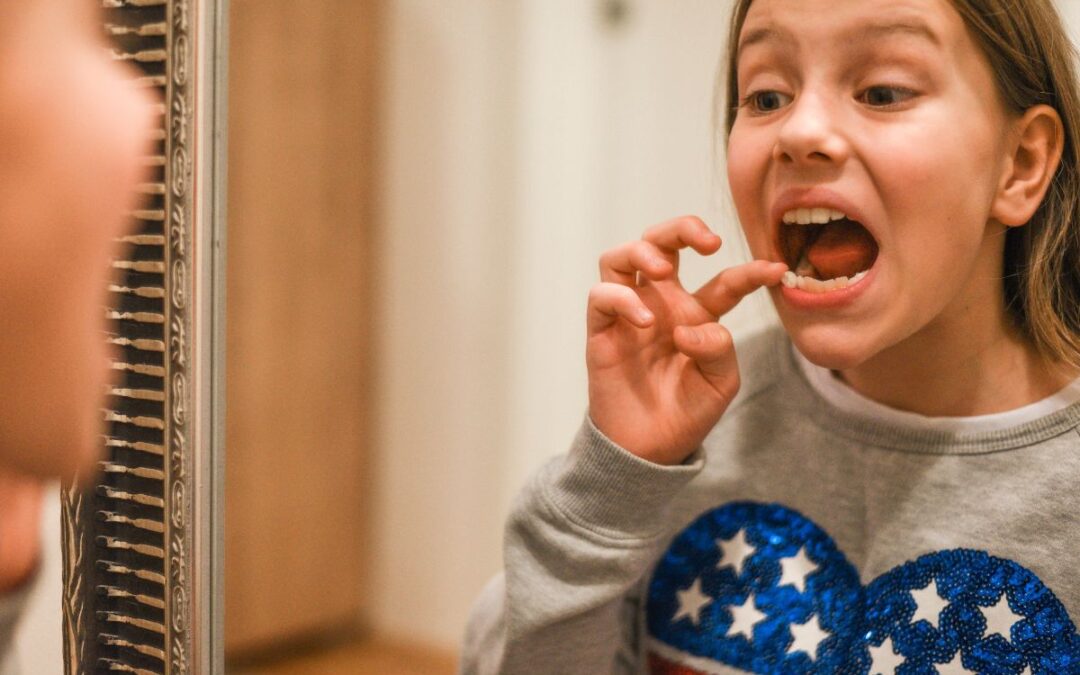
A loose baby tooth at home is an exciting milestone for both children and parents. Although losing primary teeth is a natural part of growing up, many parents wonder what they should do when a tooth starts to wiggle. At Center for Pediatric Dentistry in Augusta, families receive guidance on every stage of a child’s dental development, including caring for loose teeth safely and comfortably. Knowing what to expect can help you support your child while protecting their oral health.
Why Baby Teeth Become Loose
Children usually begin losing their primary teeth between the ages of 6 and 7, although every child develops at a different pace.
As permanent teeth grow beneath the gums, they slowly dissolve the roots of the primary teeth. Once the roots disappear, the tooth naturally becomes loose and eventually falls out.
This process allows permanent teeth to move into their proper position.
Common signs that a tooth is ready to come out include:
- Gentle movement when touched
- Mild discomfort while chewing
- A visible gap forming around the tooth
- Increased movement over several days or weeks
In most cases, this process happens without any serious problems.
How to Handle a Loose Baby Tooth at Home Safely
The best approach to a loose baby tooth at home is patience. Most teeth fall out naturally when they are ready.
Parents can help by encouraging children to:
- Wiggle the tooth gently with a clean finger.
- Keep brushing normally.
- Continue flossing carefully.
- Eat soft foods if chewing feels uncomfortable.
- Avoid forcing the tooth to come out.
A tooth that is ready will usually come out with very little effort.
If you are caring for a loose baby tooth at home and have concerns, our pediatric dentist at Center for Pediatric Dentistry, can evaluate your child’s dental development and recommend the safest next steps based on their individual needs.
Should You Pull the Tooth?
Many parents wonder if they should remove a loose tooth themselves.
In most situations, the answer is no.
If the tooth still feels firmly attached, pulling it too early can:
- Cause unnecessary pain
- Lead to bleeding
- Damage nearby gum tissue
- Increase your child’s anxiety
Instead, allow your child to wiggle the tooth naturally until it is ready to come out on its own.
What If the Tooth Falls Out While Eating?
Sometimes a loose tooth comes out during a meal.
This usually is not a cause for concern.
If it happens:
- Stay calm.
- Have your child spit out the food.
- Locate the tooth if possible.
- Rinse the mouth gently with water.
- Apply clean gauze if minor bleeding occurs.
Bleeding generally stops within a few minutes.
Offering cool water afterward may help your child feel more comfortable.
Foods to Eat While a Tooth Is Loose
Some foods make eating easier while the tooth continues loosening.
Good choices include:
- Yogurt
- Applesauce
- Mashed potatoes
- Scrambled eggs
- Oatmeal
- Pasta
- Smoothies
- Soft fruits
These foods reduce pressure on the loose tooth while still providing important nutrients.
Foods to Avoid
Certain foods may make the loose tooth uncomfortable.
Try to avoid:
- Sticky candy
- Hard candy
- Popcorn
- Ice
- Tough meat
- Whole apples if biting causes discomfort
- Very crunchy chips
These foods may increase discomfort or accidentally loosen the tooth before it is ready.
Keeping the Area Clean
Good oral hygiene remains important even when a tooth is loose.
Encourage your child to:
- Brush twice each day.
- Use a soft-bristled toothbrush.
- Floss gently around nearby teeth.
- Rinse with water after meals.
Keeping the mouth clean helps lower the risk of irritation around the gums.
When Should You Call a Pediatric Dentist?
Although most loose teeth are completely normal, some situations require professional evaluation.
Contact your pediatric dentist if:
- The tooth became loose after an injury.
- There is severe pain.
- Bleeding continues for an extended period.
- Swelling develops around the gums.
- The tooth appears infected.
- A permanent tooth begins erupting behind the primary tooth without the loose tooth falling out.
- Your child has difficulty eating because of the tooth.
Prompt evaluation helps prevent unnecessary complications.
Loose Teeth After an Injury
A tooth that becomes loose after a fall or sports injury should never be ignored.
Trauma may affect the tooth, surrounding bone, or developing permanent tooth underneath.
Even if your child feels fine, an examination is recommended to rule out hidden damage.
What Happens After the Tooth Falls Out?
Once the tooth comes out, a small amount of bleeding is completely normal.
You can help by:
- Placing clean gauze over the area.
- Asking your child to bite gently for several minutes.
- Offering cool water.
- Continuing normal brushing while avoiding the empty socket for the first day.
Within a short time, the gum begins healing naturally.
Soon afterward, the permanent tooth continues moving into place.
Helping Children Feel Excited Instead of Nervous
Some children enjoy losing teeth, while others feel anxious.
You can build confidence by:
- Explaining that losing teeth is a normal part of growing up.
- Letting your child control how much they wiggle the tooth.
- Celebrating the milestone.
- Answering questions honestly.
- Remaining calm if bleeding occurs.
A positive attitude often helps children feel more comfortable throughout the process.
Common Mistakes Parents Should Avoid
Parents sometimes try to speed up the process without realizing it.
Avoid these common mistakes:
- Pulling the tooth before it is ready
- Allowing children to twist the tooth aggressively
- Ignoring pain after an injury
- Skipping brushing because the tooth feels loose
- Offering hard foods that increase discomfort
Simple, gentle care usually produces the best outcome.
Why Regular Dental Checkups Still Matter
Even when everything seems normal, regular dental visits remain important.
Routine examinations allow your pediatric dentist to:
- Monitor permanent tooth development
- Check bite alignment
- Identify early orthodontic concerns
- Detect cavities
- Support healthy oral growth
These appointments help ensure your child’s smile continues developing properly.
Managing a loose baby tooth at home is usually simple when you allow nature to take its course. Gentle care, good oral hygiene, and patience often help the tooth fall out naturally without complications. Understanding what is normal also helps you recognize when professional care may be needed.
If you have questions about your child’s developing smile, schedule an appointment with Center for Pediatric Dentistry in Augusta for personalized pediatric dental care from a team dedicated to helping children maintain healthy, confident smiles.