
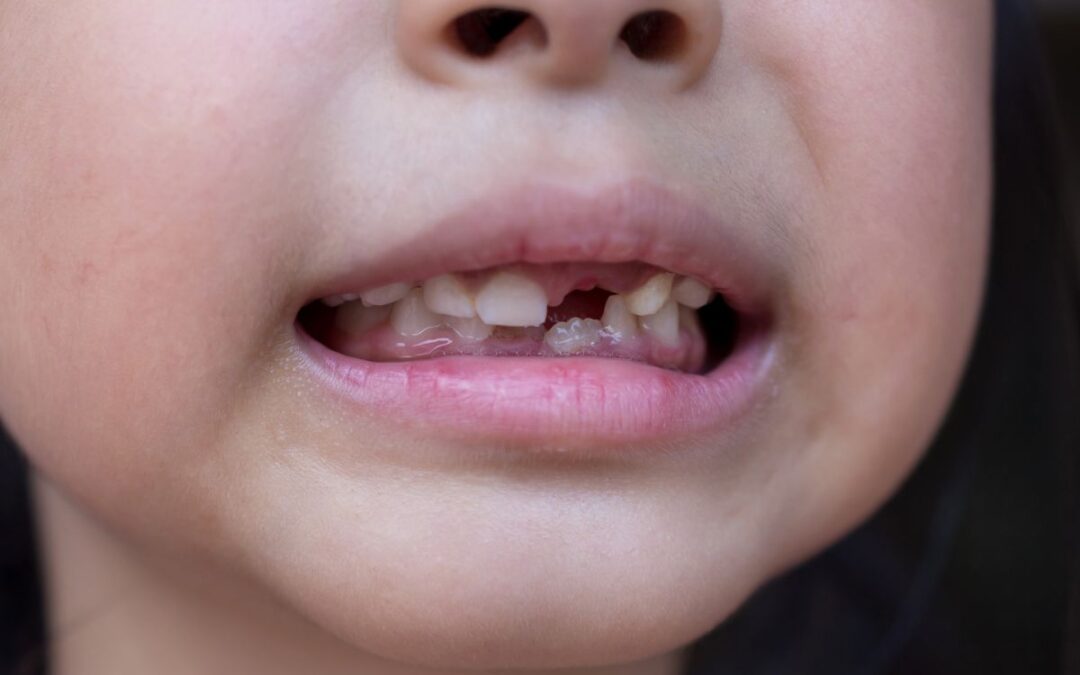
Accidents can happen anytime—during play, sports, or even at home. Knowing what to do when a child chips or breaks a tooth can make a big difference in protecting their smile and preventing further damage. Acting quickly and calmly helps reduce pain and improves the chances of saving the tooth.
At Center for Pediatric Dentistry in Augusta, we often support parents during these unexpected situations. While a chipped or broken tooth may feel stressful in the moment, the right steps can help you handle it with confidence and care.
Understanding How Tooth Injuries Happen
Children stay active and curious, which makes them more likely to experience dental injuries. These incidents may occur in different situations.
Common causes include:
- Falls while playing or running
- Sports-related impacts
- Biting hard objects like ice or toys
- Accidental collisions with other children
Because of these everyday risks, it’s important to stay prepared and know how to respond quickly.
Types of Tooth Damage You Might See
Not all tooth injuries look the same. Identifying the type of damage will help you decide what action to take next.
Minor Chips
A small chip may only affect the outer enamel. It often does not cause pain but still needs evaluation.
Moderate Breaks
A larger break may expose the inner layers of the tooth, leading to sensitivity or discomfort.
Severe Fractures
In serious cases, the tooth may crack deeply or split, which requires immediate dental care.
Accompanying Injuries
Sometimes, injuries also affect the gums, lips, or surrounding areas, increasing discomfort.
After assessing the situation, many parents seek help from their trusted pediatric dentist. If your child chips or breaks a tooth in Augusta, the team at Center for Pediatric Dentistry—Dr. Lee Baker, Dr. Austin Rogers, Dr. Wes Schoenthal, and their team—are ready to provide prompt and gentle care.
Immediate Steps You Should Take
When an accident happens, your quick response matters. Follow these steps to manage the situation effectively.
Stay Calm and Reassure Your Child
Your child may feel scared or upset. Speak calmly and let them know everything will be okay.
Rinse the Mouth
Use clean, lukewarm water to gently rinse away blood or debris.
Save All the Broken Pieces
If you find fragments of the tooth, keep them in a clean container. In some cases, they may be reattached.
Control Bleeding
Use a clean piece of gauze and apply gentle pressure to stop bleeding.
Reduce Swelling
Place a cold compress on the outside of the mouth or cheek to minimize swelling.
These steps can help stabilize the situation until you can seek professional care.
When to Seek Immediate Dental Care
Some situations require urgent attention. Do not delay if you notice any of the following:
- Severe pain or sensitivity
- Significant bleeding that does not stop
- A large portion of the tooth is missing
- Signs of infection, such as swelling or pus
- Difficulty chewing or speaking
In these cases, timely treatment can prevent complications and protect your child’s oral health.
Treatment Options for Chipped or Broken Teeth
Treatment depends on the severity of the damage. The dentist will evaluate the tooth and recommend the best option.
Dental Bonding
For minor chips, a tooth-colored material restores the shape and appearance.
Dental Crowns
If the damage is more extensive, a crown may be used to protect and strengthen the tooth.
Pulp Treatment
If the inner part of the tooth is affected, treatment may be needed to remove the infection and preserve the tooth.
Monitoring Baby Teeth
If a baby tooth is involved, the dentist may monitor it to ensure proper development of permanent teeth.
Each treatment focuses on restoring function, comfort, and appearance.
How to Prevent Future Tooth Injuries
While accidents cannot always be avoided, you can take steps to reduce the risk.
Use Protective Gear
Encourage your child to wear a mouthguard during sports and other physical activities.
Avoid Hard Foods and Objects
Teach your child not to bite on hard items like ice, pens, or toys.
Creating a Safe Environment
Make your home safer by reducing slip and fall hazards.
Maintain Regular Dental Visits
Routine checkups help identify weak areas and keep teeth strong.
These simple precautions can go a long way in protecting your child’s smile.
Supporting Your Child After an Injury
Recovery involves both physical care and emotional support. Your child may feel nervous about dental visits after an injury.
Here’s how you can help:
- Offer reassurance and encouragement
- Follow the dentist’s care instructions carefully
- Provide soft foods if chewing feels uncomfortable
- Maintain regular oral hygiene gently
A positive approach helps your child feel safe and confident during recovery.
Knowing how to respond when a child chips or breaks a tooth allows you to act quickly and protect their dental health. From rinsing the mouth to seeking timely care, each step plays an important role in recovery. With the right approach, most tooth injuries can be treated effectively and without long-term issues.
At Center for Pediatric Dentistry in Augusta, Dr. Lee Baker, Dr. Austin Rogers, Dr. Wes Schoenthal, and our caring team are here to support your child every step of the way. When you are ready to ensure your child receives the care they need, visit our dental office or schedule an appointment for prompt and professional treatment.