
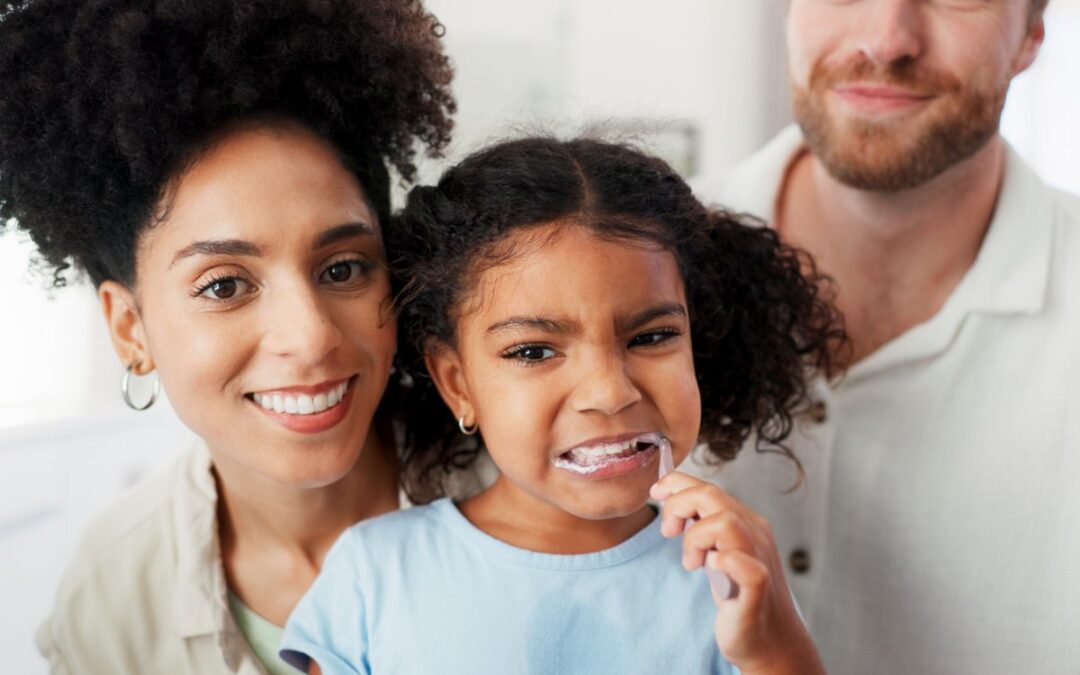
Teaching children to care for their teeth should feel encouraging, not exhausting. When parents teach kids good oral habits in a calm and positive way, children are more likely to stay consistent and confident about their daily routine. The goal is simple: build lifelong skills without turning brushing and flossing into a daily battle. With the right mindset, tools, and guidance, oral care can become a normal and even enjoyable part of your child’s day.
This guide explains practical, stress-free ways to support children at different ages while keeping routines simple, engaging, and effective.
Why Early Oral Care Matters More Than You Think
Healthy teeth play a major role in a child’s overall growth. Strong oral habits help kids eat comfortably, speak clearly, and smile with confidence. More importantly, routines formed early often last into adulthood.
When kids understand why oral care matters, they feel more motivated. Instead of focusing on fear or punishment, parents can highlight benefits such as:
- Fewer cavities and dental visits
- Fresh breath and clean teeth
- A confident smile at school and social events
By explaining these benefits in simple words, you create understanding instead of resistance.
Start With Simple, Age-Appropriate Conversations
Children respond best when adults speak at their level. Long lectures rarely work. Short, clear explanations feel easier to accept.
You can try approaches like:
- Comparing brushing to washing hands after play
- Explaining that teeth need cleaning to stay strong
- Use stories where teeth act like “heroes” fighting germs
Most importantly, keep your tone relaxed. When kids feel safe, they listen more closely.
Make Oral Care a Fun Daily Routine
Routine builds comfort, while fun builds interest. Combining both reduces stress for everyone involved.
Ways to add fun include:
- Letting kids choose their toothbrush color or design
- Use a two-minute song or timer while brushing
- Turn brushing into a game, such as “catch the sugar bugs”
Consistency matters more than perfection. When routines stay predictable, children adapt quickly.
Lead by Example at Home
Children learn more from what they see than what they hear. If parents brush and floss daily, kids naturally follow.
Try brushing together as a family. This shared activity:
- Builds trust
- Shows correct technique
- Makes kids feel included
Right after this stage, many families seek advice from our pediatric dentist, who often reminds parents that calm modeling works better than strict rules. Professional guidance reinforces what kids already see at home and helps personalize routines based on age and needs.
Teach Technique Without Pressure
Correct brushing matters, but pressure creates anxiety. Instead of constant correction, guide gently.
Helpful tips include:
- Show small circular motions on teeth
- Encouraging brushing of all sides, not just the front
- Keep reminders positive and short
Avoid phrases that sound like scolding. Gentle reminders help children stay cooperative and relaxed.
Use Rewards Wisely, Not Excessively
Rewards can motivate, but they should not replace understanding. Small, non-food rewards work best.
Examples include:
- Sticker charts for daily brushing
- Extra story time at night
- Verbal praise and encouragement
Over time, children begin to feel proud of their routine without needing constant rewards.
Address Fear and Resistance Calmly
Some children resist brushing due to fear, sensory issues, or past discomfort. In such cases, patience becomes essential.
You can:
- Ask what feels uncomfortable
- Change toothpaste flavor if needed
- Let kids brush first, then help gently
By acknowledging feelings, you reduce power struggles. This approach supports emotional growth along with oral health.
Limit Sugar and Explain Its Effects Clearly
Instead of banning sweets completely, teach balance. Explain how sugar affects teeth in simple terms.
You might say:
- “Sugar feeds germs that hurt teeth.”
- “Brushing removes sugar bugs after snacks.”
When kids understand cause and effect, they make better choices naturally. This knowledge supports long-term oral habits without fear-based tactics.
Build Confidence Through Regular Dental Visits
Routine dental visits help children feel comfortable with professional care. Early exposure reduces anxiety later in life.
At the Center for Pediatric Dentistry in Augusta, families often notice that kids feel more confident when visits focus on education rather than treatment. Friendly environments and clear explanations help reinforce what children practice at home.
Stay Consistent During Busy Days
Travel, school events, and late nights can disrupt routines. However, consistency still matters.
Simple strategies include:
- Pack travel toothbrush kits
- Keep bedtime brushing non-negotiable
- Brushing earlier if schedules change
Flexibility paired with consistency keeps stress levels low while maintaining healthy routines.
When parents teach kids good oral habits with patience, empathy, and consistency, children develop confidence instead of fear. Simple routines, positive reinforcement, and calm guidance create an environment where oral care feels normal, not forced. Over time, these small daily actions lead to strong teeth, healthy smiles, and lifelong confidence.
If you would like personalized guidance or professional support for your child’s dental needs, we encourage you to schedule an appointment or visit our dental office. The caring team at the Center for Pediatric Dentistry in Augusta is here to support your family with expert pediatric dental care and stress-free visits designed just for kids.